Tag: Pudukkottai

  • Anjaneya Temple Azhiyanilai: Hanuman’s Divine Presence in Tamil Nadu

    Anjaneya Temple Azhiyanilai: Hanuman’s Divine Presence in Tamil Nadu

    Anjaneya Temple, Azhiyanilai: Where Hanuman’s Spirit Resides in Tamil Nadu

    Journey with us to the heart of Tamil Nadu, to a place where devotion burns as brightly as the sun. Nestled near the scenic routes of Pudukkottai, the Anjaneya Temple at Azhiyanilai stands as a profound testament to the enduring power of Lord Hanuman. This is more than just a collection of stones and carvings; it is a living nexus of faith, a sanctuary where the echoes of Hanuman’s strength and selfless devotion resonate through the landscape.

    Key Takeaway: This temple embodies the spiritual principle that unwavering devotion to Hanuman liberates the soul from life’s myriad sufferings, offering devotees an unparalleled sense of peace and strength.

    As travelers and seekers of heritage, we often look for places where the divine narrative is etched into the very earth. Azhiyanilai, situated in the heart of the Pudukkottai district, offers exactly this—a sacred space dedicated to the embodiment of strength, wisdom, and unwavering courage. The atmosphere here is thick with the scent of sacred incense and the palpable energy of centuries of worship, inviting every visitor to pause, reflect, and connect with the divine presence of Anjaneya.

    The Sacred Geography of Azhiyanilai

    The location of the Anjaneya Temple, Azhiyanilai, places it within the rich cultural blend of Tamil Nadu. While situated near the Pudukkottai-Arantangi road, the temple acts as a vital spiritual anchor for the local community, drawing pilgrims from across the region who seek solace and blessings from the Vanara incarnation.

    A Hub of Local Devotion

    The history of this site is interwoven with the fabric of the local community. It is a place where daily rituals blend smooth with grand spiritual narratives. The proximity to the natural landscape enhances the contemplative atmosphere, making the journey to the temple an experience in itself.

    Did You Know? A distance of approximately 29 km separates Azhiyanilai from the main hub of Pudukkottai, highlighting the temple’s specific, localized importance within the broader regional context.

    The Divine Presence: Anjaneya, The Embodiment of Strength

    At the core of this sacred space is the worship of Lord Hanuman, or Anjaneya. Hanuman is revered not merely as a deity but as the ultimate symbol of physical and moral fortitude. His presence here is felt in every corner, inspiring devotees to face their own challenges with courage and unwavering resolve.

    The Form of Vishvarupa Anjaneyar

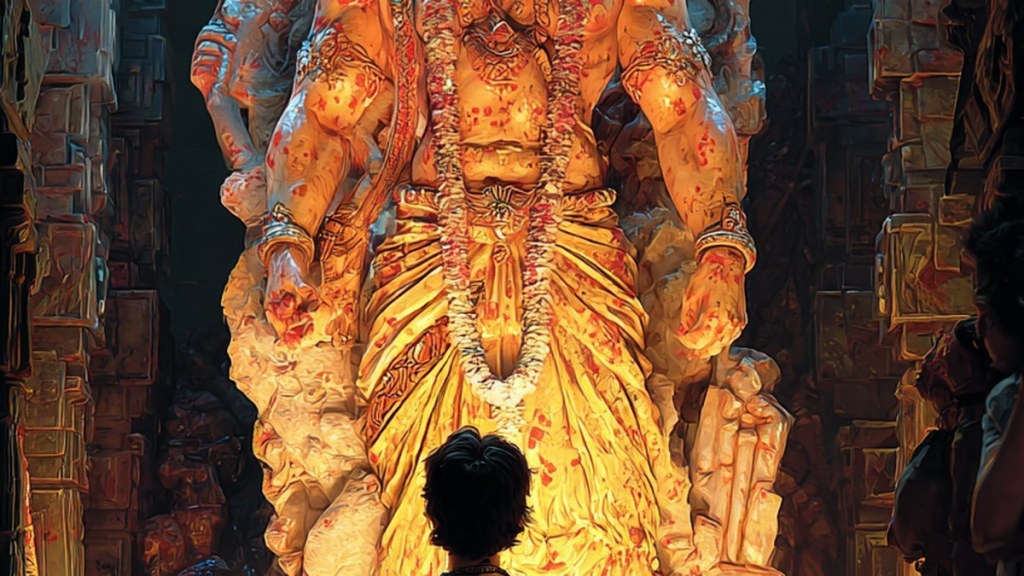
    The presiding deity of the temple is revered as Anjaneya, who is also known by the magnificent title, Vishvarupa Anjaneyar. This title speaks to his cosmic form, representing the universal manifestation of divine energy and boundless power. The statue of the presiding deity, standing at a majestic 12 ft height, is a focal point of immense reverence.

    “The presence of Anjaneya in Azhiyanilai is a tangible reminder that true strength lies not just in physical might, but in the moral fortitude to overcome adversity.”

    Architectural Harmony and Symbolism

    The architectural design of the temple reflects the spiritual philosophy it embodies. Unusually, the statue of the presiding deity is situated without a ceiling, an architectural choice that emphasizes the deity’s connection to the vast, open expanse of the heavens. The deity is oriented towards the east, symbolizing the rising sun of knowledge and new beginnings, perfectly aligning the temple with the dawn of spiritual enlightenment.

    Legends Woven in Stone: The Stories of Devotion

    The narratives surrounding Lord Hanuman are rich and profound, offering devotees endless inspiration. The legends associated with this temple speak to the transformative power of Hanuman’s actions—his dedication, his humility, and his unparalleled service to his devotees.

    Liberation from Suffering

    The core belief held by those who worship Anjaneya is that through devotion to him, all worldly sufferings are dissolved. Devotees believe that by invoking Hanuman’s energy, they gain the strength to navigate life’s inevitable hardships. This spiritual understanding transforms the temple from a mere structure into a powerful conduit for spiritual liberation.

    Visitor Tip: Spend time near the temple’s dhyana mandapa. This quiet space is designed for contemplation, offering a rare opportunity to connect with the stillness amidst the surrounding spiritual energy.

    Rhythms of Worship: Festivals and Rituals

    Festivals are the vibrant threads that weave the spiritual life of the temple. The rituals observed at Azhiyanilai are deeply rooted in tradition, providing a structured yet deeply personal experience for the devotees.

    The Significance of Saturday Pujas

    A particularly significant ritual observed at the Anjaneya Temple is the special pujas conducted every Saturday. These weekly observances are dedicated to honoring Lord Hanuman, reaffirming the bond between the deity and his worshippers. The atmosphere during these pujas is electric, filled with devotional songs and heartfelt prayers, marking a time for collective spiritual rejuvenation.

    The Ritual of Garlands

    A customary act of veneration involves adorning the deity with fresh Tulsi garlands. The fragrance of the Tulsi, a sacred plant in Hinduism, mingles with the temple air, creating an olfactory experience that is both soothing and spiritually uplifting. This simple act is a profound expression of love and respect offered by the devotees.

    A Practical Guide for Pilgrims

    For those planning a visit to this spiritually charged location, understanding the practicalities ensures a more enriching experience. We guide you on how to approach this sacred space with respect and mindfulness.

    Getting There and Temple Access

    Reaching Azhiyanilai requires planning, but the journey is part of the pilgrimage. Travelers should be prepared for the tranquil yet rural environment of the Pudukkottai district. Respect local customs and engage with the local community to deepen your connection to the place.

    • Best Time to Visit: The cooler months offer the most pleasant experience for exploration and contemplation.
    • Rituals: If you plan to observe the Saturday pujas, arrive early to participate in the communal devotion.
    • Attire: Dress modestly, reflecting the reverence due to a sacred Hindu site.

    Visitor Tip: Engage with the local priests and community members. Their knowledge of the temple’s ongoing rituals and local lore will provide you with an irreplaceable layer of understanding.

    Conclusion: Carrying the Strength of Hanuman Home

    The Anjaneya Temple at Azhiyanilai is a living monument to the enduring power of faith. It reminds us that amidst the complexities of modern life, the timeless virtues of courage, devotion, and selflessness remain the most potent forces. As you leave this sacred space, carry with you the strength of Lord Hanuman—the unwavering resolve to face your own battles with grace and courage. May the blessings of Anjaneya illuminate your path, just as they illuminate the walls of this ancient sanctuary.

    We invite you to explore related spiritual journeys. Read More about Hanuman Legends or discover Explore Other Temples in Tamil Nadu to continue your heritage exploration.
  • Arangulanathar Temple: Divine History and Architecture in Tamil Nadu

    Arangulanathar Temple: Divine History and Architecture in Tamil Nadu

    The Enduring Splendor of the Arangulanathar Temple

    Journey with us to the heart of Tamil Nadu, to a place where the echoes of ancient devotion resonate through stone and spirit. Nestled in the tranquil landscape of the Pudukkottai district lies the Arangulanathar Temple, a sacred site steeped in the legacy of the Nayanars and the profound worship of Lord Shiva. More than just a collection of stones, this temple is a living chronicle of South Indian spiritual history, a testament to the enduring artistic and devotional traditions of the region.

    Key Takeaway: This temple is not merely a place of worship; it is a tangible link to the devotional poetry of the 63 Nayanars, marking it as one of the Tevaram Vaippu Sthalams mentioned in the sacred path of Sambandar.

    For the traveller seeking a deep dive into the architectural genius and mythological depth of South Indian temple complexes, the Arangulanathar Temple offers an unparalleled experience. It invites contemplation on the fusion of Dravidian artistry, deep theological symbolism, and timeless serenity. Prepare to witness a spiritual landscape where every pillar tells a story of faith.

    The Sacred Geography of Thiruvarangulam

    The location of the Arangulanathar Temple places it within the cultural blend of the Pudukkottai district, a region historically rich in religious and artistic heritage. Situated in the serene neighbourhood of Thiruvarangulam, the temple benefits from a setting that fosters deep introspection. The surrounding environment, often characterized by lush greenery, provides a perfect sanctuary for pilgrims and seekers of peace.

    A Location Blessed by Devotion

    While specific geographical coordinates define its physical location, the true coordinates of this temple are found in the spiritual geography mapped by the saints. It stands as a focal point for the local community, drawing devotees from vast distances who seek the blessings of Lord Shiva and his divine consort, Brahadhambal (Periyanayaki).

    Did You Know?: The temple’s location in Thiruvarangulam places it within a region that has historically been a crucible for the development of Shaivite traditions in Tamil Nadu, underscoring its deep historical roots.

    A Chronicle Etched in Stone: Temple History

    The history of the Arangulanathar Temple is woven into the epic narrative of Tamil Shaivism. It belongs to a lineage of sacred sites that have been documented by the great saints of the age, ensuring that its story is not just one of worship, but one of historical significance.

    The Legacy of the Nayanars

    This temple holds a special place as one of the Tevaram Vaippu Sthalams. These sites are significant because they are directly linked to the footsteps and divine revelations of the great poet-saints, particularly Sambandar. The temple serves as a physical marker of the spiritual journey undertaken by these divine pilgrims centuries ago, embedding the temple firmly within the devotional landscape of Tamil history.

    “The stones of this temple do not merely stand; they whisper the hymns of the saints, carrying the eternal melody of divine love across the ages.”

    Understanding this lineage elevates the visit from a mere sightseeing trip to a profound spiritual pilgrimage. One feels connected to the spiritual currents that flowed through this land long before recorded history formalized them.

    Architectural Marvel: The Symphony of Pillars

    The physical structure of the Arangulanathar Temple is a masterclass in Dravidian temple architecture. It is defined by its imposing structure and the exquisite detailing of its mandapam, which serves as a breathtaking visual representation of divine order and cosmic harmony.

    The Hundred-Pillar Mandapam

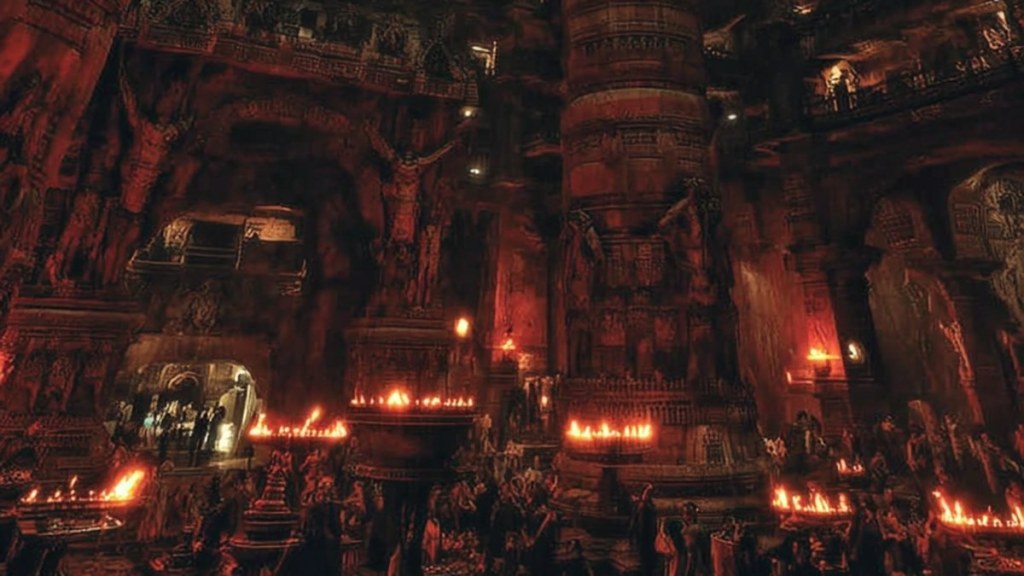
    One of the most striking features of this temple complex is the mandapam with 100 pillars. This architectural feature is a testament to the skill of the ancient artisans who designed and constructed it. Each pillar is a carefully carved entity, contributing to a visual rhythm that guides the eye towards the sanctum sanctorum. The sheer scale and meticulous craftsmanship speak volumes about the devotion invested in its creation.

    Visitor Tip: Take time to walk slowly through the corridor of pillars. Observe the interplay of light and shadow on the carvings; you will find hidden narratives woven into the stone.

    The Divine Pantheon: Deities and Legends

    The spiritual heart of the temple resides in the divine presence it houses. The iconography within the Arangulanathar Temple is a rich blend of interconnected deities, reflecting the vastness of the Hindu cosmos and the interconnectedness of divine energies.

    The Central Focus

    At the apex of the worship is the presiding deity, Arangulanathar, Lord Shiva, whose presence imbues the entire complex with an aura of potent, transformative energy. Alongside him resides the benevolent goddess Brahadhambal (Periyanayaki), representing divine feminine grace and nurturing power. Their union forms the central axis of the temple’s worship.

    The Pantheon of Sub-Deities

    The temple is renowned for its inclusive worship, honoring a vast pantheon. The presence of numerous subsidiary deities speaks to the syncretic nature of South Indian religious practice. Among the honored figures are manifestations of Vishnu, Saraswati, Sitrambalam udaiyar, Nataraja, Dakshinamurti (with the Veena), Chandikeswarar, Porpanai Ganesha, Shanmuganathar with his consorts Valli and Devasena, Appar, and the revered saints themselves—Sambandar, Sundarar, Manikkavacakar, and the 63 Nayanars. This multiplicity reveals a profound, inclusive theology.

    Festivals and Spiritual Rhythms

    Temple life is punctuated by vibrant festivals that serve as annual reminders of the temple’s history, mythology, and community bonds. These celebrations are not just rituals; they are immersive cultural experiences where the divine presence is celebrated with music, dance, and communal joy.

    Celebrations of Devotion

    • Temple Annaprasanam: Annual rituals dedicated to the worship of the presiding deities, ensuring the continuation of divine blessings.
    • Nayanar Festivals: Specific observances dedicated to the worship of the 63 Nayanars, highlighting the temple’s unique connection to the Shaivite saints.
    • Seasonal Celebrations: Festivals marking the agricultural cycles, blending the spiritual rhythm of the temple with the natural world of Pudukkottai.

    “The festivals at Arangulanathar are a vibrant confluence where ancient hymns meet contemporary celebration, pulsating with the energy of the divine.”

    A Practical Guide for the Pilgrim

    For those planning a visit to this remarkable site, practical information ensures a more meaningful and respectful experience. Understanding the local context and logistics is key to unlocking the temple’s full spiritual potential.

    Getting There and Essential Information

    Planning your visit requires attention to local logistics. While the temple is situated in the Thiruvarangulam area, understanding the regional travel context is crucial.

    Visitor Tip: As you approach the temple, observe the local customs. Dress modestly and approach the sacred spaces with humility, allowing the atmosphere of reverence to guide your steps.

    What to Expect During Your Visit

    Visitors should anticipate an atmosphere that is simultaneously ancient and alive. Expect rich sensory input—the scent of incense, the resonance of temple bells, and the visual feast of intricate sculptures. Spend time in quiet reflection, allowing the history embedded in the architecture to unfold before you.

    Conclusion: An Enduring Spiritual Landmark

    The Arangulanathar Temple stands as a powerful monument to the enduring spirit of Tamil Nadu. It is a place where the historical narrative of the Nayanars, the architectural brilliance of Dravidian art, and the profound mystery of Shiva’s worship converge. For the traveller, it offers more than just a visit; it offers an encounter with a living heritage, a place where the past breathes and the divine remains vividly present.

    We invite you to experience this sanctuary for yourselves. Reflect on the journey, absorb the silence, and let the ancient stones guide your soul. Whether you are a scholar of history or a seeker of spiritual truth, the legacy of Arangulanathar Temple offers an unforgettable journey into the heart of Indian heritage.

    If you are interested in exploring other sacred sites in the region, we recommend reading about the related temple in the area.