Tag: Odisha

  • Anantasaayi Vishnu Temple: Discover Black Chlorite Art in Sambalpur

    Anantasaayi Vishnu Temple: Discover Black Chlorite Art in Sambalpur

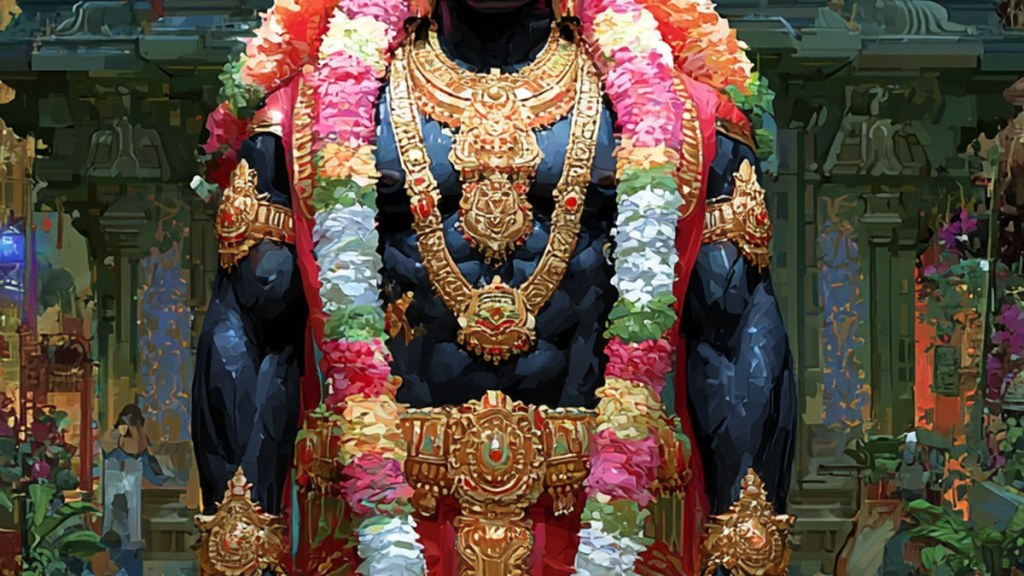
    Journey with us to the heart of Odisha, to a place where the echoes of the Chauhan dynasty meet the profound stillness of divine artistry. The Anantasaayi Vishnu Temple, nestled near Sambalpur, is not merely a structure of stone and mortar; it is a living testament to centuries of devotion, a sanctuary housing one of the most striking representations of Lord Vishnu in India—the enigmatic black chlorite image of resting Vishnu.

    For the discerning traveler and heritage seeker, this site offers an unparalleled opportunity to step outside the rush of modernity and immerse oneself in a spiritual landscape steeped in history. As we explore this sacred space, we uncover stories woven into the very architecture, legends whispered by the stones, and festivals celebrated with vibrant fervor.

    Key Takeaway: The defining feature of this temple is the unique, ancient black chlorite image of Vishnu, which serves as a profound focal point, bridging historical patronage with artistic mastery.

    \

    A blend Woven in Time: The Historical Roots

    To truly appreciate the Anantasaayi Vishnu Temple, one must first understand the era in which it was conceived. This temple is deeply rooted in the history of the Chauhan kings, a powerful lineage that shaped ancient North and East India. The foundation of this sacred site dates back to the early sixteenth century, an era marked by both martial strength and deep spiritual patronage.

    Patronage of the Chauhan Dynasty

    The temple was commissioned by the illustrious Chauhan king, Balaram Dev. This act of devotion was more than a simple construction project; it was an assertion of faith and a legacy etched in stone. The decision to build this temple speaks volumes about the religious and cultural landscape of the time, reflecting the deep reverence for Vishnu that permeated the region.

    Did You Know? The patronage of such grand religious structures often reflects the political stability and the spiritual aspirations of the ruling class. The temple stands as a tangible link between the royal lineage and the divine realm.

    The history surrounding the temple is rich with anecdotal lore. It is recounted that the vision for this sanctuary arose from a poignant moment involving the queen, whose dowry included an image of Narayana. It was this sacred artifact that inspired the king to erect this magnificent shrine in honour of the supreme deity.

    \”The temple is a physical manifestation of a royal promise—a dedication born from devotion and the desire to honour the divine presence within the realm of the living.\”

    Architectural Brilliance: The Rekha Deula Style

    The physical structure of the Anantasaayi Vishnu Temple embodies the regional architectural traditions while showcasing unique stylistic elements. The main sanctuary is masterfully executed in the Rekha Deula style, a hallmark of North Indian temple architecture, known for its graceful, curvilinear spire and commanding presence.

    The Geometry of Devotion

    The architecture is characterized by symmetry and elegant lines, creating an atmosphere of serene contemplation within the temple complex. The use of the Rekha Deula form elevates the structure, drawing the eye towards the central deity and symbolizing cosmic order.

    Visitor Tip: When exploring the temple, take time to observe the intricate carvings. Notice how the geometric precision of the architecture complements the flowing lines of the divine forms depicted in the iconography.

    Iconography Woven into Stone

    Beyond the main structure, the temple complex is a rich visual narrative. The walls are adorned with depictions of pivotal figures from the Hindu pantheon, illustrating the interconnectedness of divine forms. We find prominent representations of Ganesha, the remover of obstacles, and Garuda, the divine vehicle, alongside various glorious Avatars of Narayana. These elements are not merely decorative; they are theological statements rendered in stone.

    The Divine Presence: Lord Vishnu and the Chlorite Legacy

    The true soul of the Anantasaayi Vishnu Temple lies in its central focus: the representation of Lord Vishnu. What makes this temple uniquely captivating is the specific artistic medium used for the central image. It is famous throughout the region for the black chlorite image of resting Vishnu.

    The Enigma of Black Chlorite Art

    Chlorite, a naturally occurring mineral, lends a deep, profound, almost velvety black hue to the artwork. This material, used by the artisans of the sixteenth century, imbues the image with an aura of timeless mystery and deep spiritual gravity. The resting posture of Vishnu in this depiction evokes a state of perfect, eternal repose—a visual metaphor for cosmic peace and the ultimate reality of existence.

    Key Takeaway: The use of black chlorite is not accidental; it is a deliberate choice that transforms the depiction of Vishnu into an object of deep meditation, emphasizing stillness over dynamic action.

    Legends and Spiritual Resonance

    The presence of Vishnu, the preserver of the cosmos, is amplified by the temple’s specific legend. The story of the queen bringing the image in dowry connects the earthly realm of royalty with the celestial authority of the deity. This narrative transforms the artwork from a mere sculpture into a sacred heirloom.

    \”The resting form of Vishnu in chlorite is a silent invitation to pause, to reflect on the eternal nature of peace that underlies all creation.\”

    Rhythms of Devotion: Festivals and Celebrations

    Temples are not just places of worship; they are vibrant centers of community life, pulsating with the energy of religious festivals. The Anantasaayi Vishnu Temple serves as a focal point for celebrations dedicated to Lord Vishnu, ensuring that the spiritual life of the community is continually renewed.

    Ananta Chaturdashi: The Zenith of Celebration

    Among the numerous festivals celebrated here, the most significant occasion is undoubtedly Ananta Chaturdashi. This festival, celebrated when the divine form of Lord Ananta is invoked, falls during the auspicious month of Bhadrapada. During this time, the temple buzzes with vibrant rituals, devotional songs, and community gatherings, bringing the entire region into a state of collective spiritual ecstasy.

    100% of the temple’s major festivals are dedicated to the worship of Vishnu, underscoring its central importance in the local religious calendar.

    A Traveler’s Guide: Reaching the Sacred Site

    For those planning a pilgrimage or a cultural exploration, understanding the logistics of reaching this remarkable site is just as important as appreciating its beauty. Situated in the historic heart of the region, accessibility is straightforward, allowing visitors to transition smooth from the bustle of modern life to ancient serenity.

    Getting There and Local Context

    The temple is conveniently located within easy reach of major transportation links. It is situated approximately two kilometres from the Sambalpur railway station. This proximity makes it an accessible destination for travelers arriving by train or road.

    • Railway Access: Directly accessible from Sambalpur Railway Station.
    • Local Area: Located in the vicinity of Kamali Bazar, near Bada Bazar, placing it within the historical core of Sambalpur.
    • Travel Note: While the temple itself is a spiritual retreat, the surrounding area offers a rich blend of local history and culture.

    Visitor Tip: Allow ample time for reflection. The true experience of the Anantasaayi Vishnu Temple is found not just in viewing the architecture, but in sitting quietly, absorbing the silence, and allowing the ancient energy to settle within you.

    Conclusion: An Enduring Legacy

    The Anantasaayi Vishnu Temple in Sambalpur stands as a magnificent convergence of art, history, and spirituality. From the patronage of the Chauhan kings to the profound artistry of the black chlorite depiction, this site offers a powerful narrative of enduring faith. It invites us to look beyond the surface, to see the deep, resonant history embedded in every carved line and every sacred ritual.

    It is an invitation to slow down, to listen to the echoes of the past, and to connect with the timeless serenity embodied by Lord Vishnu. Travel to Sambalpur, and discover this hidden gem of Odisha heritage for yourself. Further explorations of related sites await you on our blog: Related Temple.

  • Akhandalamani Temple: Lord Shiva’s Sacred Shrine in Odisha

    Akhandalamani Temple: Lord Shiva’s Sacred Shrine in Odisha

    Whispers of the Sacred Granite: Journey to Akhandalamani Temple

    To speak of the Akhandalamani Temple is to speak of a confluence—a meeting point where the mighty Baitarani River meets the enduring faith of humanity. Nestled in the tranquil village of Aradi, Odisha, this temple dedicated to Lord Shiva, known reverently as Baba Akhandalamani, is more than just a structure of stone; it is a living narrative etched by devotion, legend, and the passage of time. For the pilgrim arriving on the banks of the river, the air itself seems thick with ancient mantras and the scent of burning incense.

    This pilgrimage destination draws devotees not only from Odisha but from across the subcontinent, drawn by the magnetic pull of the divine presence believed to reside here. Whether you are a seasoned traveler seeking profound spiritual immersion or a first-time visitor curious about India’s architectural marvels, the journey to the Akhandalamani Temple promises an encounter with the sublime. Prepare to step back in time, following the footsteps of kings, Brahmins, and devotees who have sought solace under the gaze of Mahadeva.

    The sacred confluence at Aradi, where faith flows as freely as the Baitarani River.

    The Genesis of Faith: Legends Surrounding Akhandalamani

    Like many sites of immense spiritual power, the history of the Akhandalamani Temple is wrapped in layers of captivating folklore, making definitive documentation elusive. Yet, the legends themselves paint a vivid, almost cinematic picture of divine manifestation. The story begins with an act of simple labor and profound mystery.

    The Ploughshare and the Divine Discovery

    According to local lore, the narrative stretches back approximately 350 years, during the reign of the illustrious Raja Sri Niladri Samara Singha Mohapatra. One early morning, a peasant was tasked with cultivating a paddy field along the banks of the mighty Baitarani. As he worked, the plowshare struck something unnaturally hard. Curiosity gave way to astonishment as he unearthed a black, glazed granite stone. What followed was a spectacle of divine intervention: instead of blood, a flood of pure milk was seen emanating from the stone, accompanied by the sight of a colossal black cobra hooding the object.

    “The discovery was not merely a stone; it was a visible miracle, signaling the imminent arrival of the divine.”

    The peasant, breathless, alerted the king. The confluence of the divine milky flow and the serpent’s presence signaled to the royal household that something monumental had transpired. This incident was the catalyst for the temple’s sacred recognition.

    The King’s Dream and Divine Mandate

    That night, the king experienced a powerful dream—a clear vision confirming the arrival of the God Akhandalamani at that very spot. This news spread like wildfire through the local populace. The next day, Raja Niladri Samara Singha Mohapatra commenced worship, quickly erecting an initial wooden shrine. The devotion was immediate and overwhelming, drawing devotees from surrounding villages. To manage this burgeoning faith, the king invited five esteemed Brahmins from Naharagrama of the Jajapur district to perform the sacred seva-puja, ensuring the rites were performed with utmost Vedic precision.

    Key Takeaway: The legend emphasizes that the divine presence was recognized through a natural, miraculous event—the flow of milk and the cobra—rather than through political decree alone.

    The sacred stone believed to be the focal point of worship.

    Architectural Majesty: A Testament to Enduring Faith

    While the foundational stories are ancient, the physical structure of the Akhandalamani Temple has evolved, reflecting continuous patronage and architectural necessity. The current main temple, standing impressively at an estimated height of around 150 feet, is a magnificent blend of historical continuity and strong construction.

    From Wood to Concrete: A Modern Marvel

    It is notable that the present, grander temple structure is a replacement for an earlier wooden shrine, built sometime between 1830 and 1840 AD. This transition speaks to the enduring popularity of the site and the need to accommodate the growing stream of pilgrims. The scale and permanence of the current edifice stand as a testament to the unwavering belief in the deity.

    The Stones of Lalitgiri

    The craftsmanship is further enhanced by the origin of its materials. Remarkably, all the stones use in constructing this grand temple were sourced from the historic hill of Lalitgiri, near Chandikhol. This connection to a renowned geological source imbues the architecture with its own layer of historical significance, binding the temple to the rich mineral history of the region.

    Did You Know? The use of materials sourced from Lalitgiri connects the temple’s architecture not just to Odisha, but to a broader, ancient network of sacred building materials across Eastern India.

    The towering structure symbolizing the enduring power of Shiva.

    The Divine Presence: Lord Shiva and the Sacred Lingam

    At the heart of the pilgrimage lies the deity itself—Lord Shiva, worshipped here under the name Baba Akhandalamani. The concept of the Shiva Lingam, the aniconic representation of Shiva, is central to the worship practiced here. The legends surrounding the initial stone—the black, glazed granite—add a palpable layer of mystery to the divine object.

    The Symbolism of the Cobra and Milk

    The recurring imagery of the great black cobra and the flow of milk are potent symbols in Hindu iconography. The cobra, often associated with Shiva himself (as Vasuki), represents mastery over time and death. The milk, in this context, symbolizes purity, life-giving sustenance, and divine grace. These elements transform the physical ritual into a deeply symbolic meditation on the cyclical nature of existence.

    “Here, the confluence of the river, the serpent, and the granite stone tells a story older than recorded time.”

    The devotion channeled towards this Lord Shiva is palpable; it is a devotion that transcends caste, creed, and geography, uniting all visitors in shared reverence.

    The sacred heart of the Akhandalamani Temple.

    Rhythms of Devotion: Festivals and Rituals

    The spiritual vitality of the Akhandalamani Temple is best observed during its festivals. These celebrations are not merely cultural events; they are powerful, communal acts of worship that draw immense energy from the surrounding region.

    Mahasibaratri: The Night of Awakening

    One of the most significant observances is Mahasibaratri, which is locally celebrated as the Jagara Mela. During this period, devotees assemble from far and wide, making the temple grounds a vibrant hub of spiritual activity. The atmosphere is electric, charged with collective prayer and the rhythmic chanting of hymns.

    The Pilgrimage of Sacred Waters

    A core ritual observed during the Sravana month involves the gathering of holy water. Devotees, known as ‘Bol bam devotees,’ traverse vast distances to collect sacred waters from major Indian rivers—the Ganges, Mahanadi, Salandi, and the local Baitarani. These waters are then carried to Aradi using traditional implements, poured over the Shiva Lingam, symbolizing the absorption of all universal energies into the divine core.

    Key Takeaway: The ritual of bringing waters from multiple rivers emphasizes the universal nature of the divine energy worshipped at the Akhandalamani Temple.

    The journey of sacred waters uniting different rivers and faiths.

    Planning Your Pilgrimage: A Visitor’s Guide

    Visiting this sacred site requires planning, especially due to its location near the confluence of natural beauty and deep spiritual history. Here is practical advice for making your journey to the Akhandalamani Temple smooth and enriching.

    Getting There: Navigating to Aradi

    The temple is situated along the banks of the Baitarani River at Aradi. It is located approximately 37 kilometers east of the district headquarters of Bhadrak, passing through areas like Asurali and Kothara. For many, the river itself is the first mode of transport; a boat journey from Chandabali ferry ghat to Aradi is a common and scenic route, taking roughly two hours.

    Visitor Tip: Consider staying in or near Bhadrak. The river journey from Chandabali adds immense ambiance, allowing you to absorb the natural setting before reaching the temple precinct.

    From the temple, you are also relatively close to other local sites, including the famous Kali Mandir in Rameswarpur village, about 18km away.

    What to Expect and What to Wear

    Dress modestly, as is customary when entering any sacred Hindu site. Lightweight, breathable fabrics are ideal given the tropical climate. Be prepared for a sensory overload—the sounds of chanting, the smoke from incense, the vibrant colors of the offerings, and the constant murmur of the river create an atmosphere unlike any other.

    The vibrant commerce of faith surrounding the sacred site.

    Etiquette and Respect

    Remember that you are a guest in a place of worship. Observe local customs, ask permission before taking photographs of people, and approach rituals with genuine humility. Engaging with the local priests and temple staff can provide invaluable context to your visit.

    A Spiritual Conclusion: Carrying the Blessing Home

    Leaving the grounds of the Akhandalamani Temple feels like emerging from a profound dream. The energy of the place—the raw power of the river, the mystery of the black granite, and the endless devotion of the people—settles deep within the bones. This journey to Aradi is not just a sightseeing trip; it is a pilgrimage for the soul.

    “The divinity of Akhandalamani does not reside only in the stone, but in the unwavering spirit that has worshipped it for centuries.”

    The enduring legend, the monumental architecture, and the vibrant rituals all coalesce to create a powerful narrative: that even in the face of time, faith finds a way to manifest, drawing the faithful to the sacred confluence where Lord Shiva awaits.

    A perfect moment of reflection at the river’s edge.

    For those interested in exploring other spiritual hubs in Odisha, consider visiting The magnificent Konark Sun Temple, or delving into the history of Puri’s sacred Puri Beach.

  • Exploring Arjunesvara Siva Temple: Lost Kalingan Masterpiece in Orissa

    Exploring Arjunesvara Siva Temple: Lost Kalingan Masterpiece in Orissa

    The Silent Majesty of Arjunesvara Siva Temple: Echoes of the Kalingan Age

    In the heart of Odisha, where the ancient sands whisper tales of forgotten dynasties, lies the Arjunesvara Siva Temple—an abandoned monument steeped in the artistry of the 12th century. Situated on the southern embankment of the Bindusagar tank, this structure is not merely a ruin; it is a profound architectural testament to the Kalingan era, frozen in grey sandstone and dry masonry. For the discerning traveler and heritage seeker, this site offers a rare, poignant glimpse into a sophisticated age of temple building that has slipped into history.

    Key Takeaway: This temple exemplifies the Kalingan style, showcasing intricate planning and strong construction techniques that define the artistic zenith of medieval Odisha.

    As we journey through India, we often encounter structures that stand as silent witnesses to the passage of time. The Arjunesvara Siva Temple, nestled near Bhubaneswar, offers precisely this experience. It commands attention not through vibrant color, but through the sheer, imposing geometry of its Kalingan design, inviting us to contemplate the artistry that once defined this sacred space.

    A Glimpse into History: The Kalingan Legacy

    To truly appreciate the Arjunesvara Siva Temple, one must first understand the context of its creation. Dating back to the 12th or 13th Century A.D., this temple belongs to the magnificent Kalingan period, an era renowned for its artistic and architectural innovation in Eastern India. While specific textual citations remain elusive for the exact dating of this particular structure, the very presence of its architectural blueprint speaks volumes about the sophisticated patronage and engineering prowess of the time.

    The Context of the Kalingan Art

    The Kalingan art style is characterized by a unique synthesis of indigenous traditions and evolving regional aesthetics. Temples built during this time often display complex plans and detailed sculptural work, reflecting the evolving theological and artistic sensibilities of the era. The Arjunesvara Siva Temple, with its specific layout, fits perfectly within this rich blend of Odishan heritage.

    The stones of this temple do not just record history; they sing the complex musical notes of a forgotten architectural symphony.

    Architectural Marvel: The Kalingan Style in Stone

    The physical structure of the Arjunesvara Siva Temple is a masterclass in Kalingan temple architecture. Constructed primarily from local grey sandstone and employing the technique of dry masonry, the temple embodies the strong and elegant characteristics of the regional style. It is a study in balanced proportions and intricate detailing that remains breathtaking even in its state of partial ruin.

    The Blueprint: Saptaratha Plan

    The most striking feature of the temple’s plan is its saptaratha arrangement. This layout, featuring seven offset projections on each wall, defines the temple’s footprint and reveals a deep understanding of spatial geometry. This plan suggests a deliberate, mathematically precise approach to designing the sacred space, moving beyond simple symmetry to create dynamic visual interest.

    Did You Know? The term saptaratha, meaning seven-fold, is a key indicator of advanced temple planning in the Kalingan tradition, demonstrating sophisticated spatial organization long before the full flowering of later styles.

    The Vimana and Mandapa Details

    The central shrine, the Vimana, stands as the focal point. It is a Rekha Deul, characterized by its rectilinear form, soaring to a height of 6.2 meters. This structure is defined by its precise measurements and projections:

    • The Vimana measures 3.5 square metres at its base.
    • It features a renovated frontal porch measuring 0.8 metres.
    • The base structure, including the bada, is divided into three sections, with the panchaga bada measuring 2.2 metres in height.
    • The lower sections detail the base measurements: pabhaga (0.5m), tala jangha (0.5m), bandhana (0.2m), upara jangha (0.40m), and the baranda (0.56m).

    The use of grey sandstone, laid in dry masonry, speaks to the enduring strength of the builders. Even though the upper elements, like the mastaka, are missing, the remaining structure reveals the masterful handling of stone by the ancient artisans.

    The Walls and Niches

    The walls of the temple are punctuated by niches, designed to hold sculptures that once adorned the exterior. On three sides, these raha niches, measuring 0.55m high by 0.3m wide, are visible, though empty of their original figures. Yet, the presence of scrollwork decorating both sides of these niches hints at the rich decorative vocabulary that once animated the temple’s exterior.

    Visitor Tip: When viewing such historical sites, focus not just on the missing elements, but on the surviving structural lines. The way the walls align and the placement of the saptaratha projections tells a more profound story than any single carved figure.

    The Divine Presence: Deity and Legends

    Every temple is a nexus of devotion, and the Arjunesvara Siva Temple was dedicated to Lord Shiva. While the physical structure narrates the history of its construction, the spiritual atmosphere is layered with the profound mythology surrounding the deity. The presence of Shiva here anchors the site within the broader spiritual geography of Orissa.

    Arjunesvara: The Embodiment of Power

    The name Arjunesvara itself carries weight, invoking the divine authority associated with Shiva. Understanding the specific legends attached to this particular shrine—which often involve the patronage of Kalingan kings or local myths—adds an invaluable dimension to the physical exploration. These legends transform inert stone into living narrative.

    Spiritual Resonance

    The silence of the abandoned temple is often louder than any chant. It is a space where the echoes of ancient rituals and the lingering presence of devotion create an atmosphere thick with spirituality. For the visitor, engaging with this silence is an act of deep reflection on the enduring nature of faith and the impermanence of earthly monuments.

    The Rhythm of Devotion: Festivals and Rituals

    Temples are not static historical markers; they are living entities sustained by the cyclical rhythm of festivals and rituals. While the current state of the Arjunesvara Siva Temple may be one of abandonment, understanding the historical festivals celebrated here illuminates the community’s spiritual life during the Kalingan period.

    Historical Celebrations

    Historically, festivals associated with Shiva temples often involved elaborate processions, music, and community participation. These events served not only as religious observances but also as vital social gatherings, reinforcing the bonds between the community and the divine. These rituals were the lifeblood that sustained the temple’s vitality.

    12th-13th Century: The approximate period of construction, placing it firmly within the Kalingan architectural zenith.

    A Guide for the Heritage Traveler

    For those who seek to understand and respect this piece of Odisha’s heritage, practical guidance is essential. Visiting historical, partially ruined sites requires sensitivity and preparation to ensure a meaningful and respectful experience.

    Visiting Arjunesvara Siva Temple

    While the temple is currently in a state of abandonment, approaching the site requires awareness of its current status as a protected monument. Travelers should approach the site with reverence, understanding that they are interacting with a layer of deep history.

    Map location details for Bhubaneswar area…

    Visitor Tip: Always seek guidance from local heritage authorities before visiting any ancient or abandoned sites. Respecting the current status of the structure is paramount to preserving its sanctity.

    Logistics and Etiquette

    • Accessibility: Be aware that access to abandoned sites may be restricted. Plan your visit with local knowledge if seeking to view the structure physically.
    • Photography: Observe local regulations regarding photography. Capture the mood and the surviving architectural lines with respect, avoiding intrusion into restricted areas.
    • Atmosphere: Allow time for quiet contemplation. The true beauty of this temple lies in the silence and the weight of its history.

    Conclusion: Enduring Echoes of Glory

    The Arjunesvara Siva Temple stands today as a poignant reminder of the grandeur that once flourished in the Kalingan age. Though time and elements have softened its sharp edges, the memory of its Kalingan architecture, the devotion that once filled its halls, and the sheer ambition of its builders endure. It is a place where the tangible remnants of history invite the imagination to fill in the gaps, allowing us to feel the pulse of a magnificent, bygone era. The silence of the ruins speaks volumes about the enduring power of art and faith.

    We encourage you to explore other treasures of Odisha and India. Explore Related Temples to discover more architectural wonders.