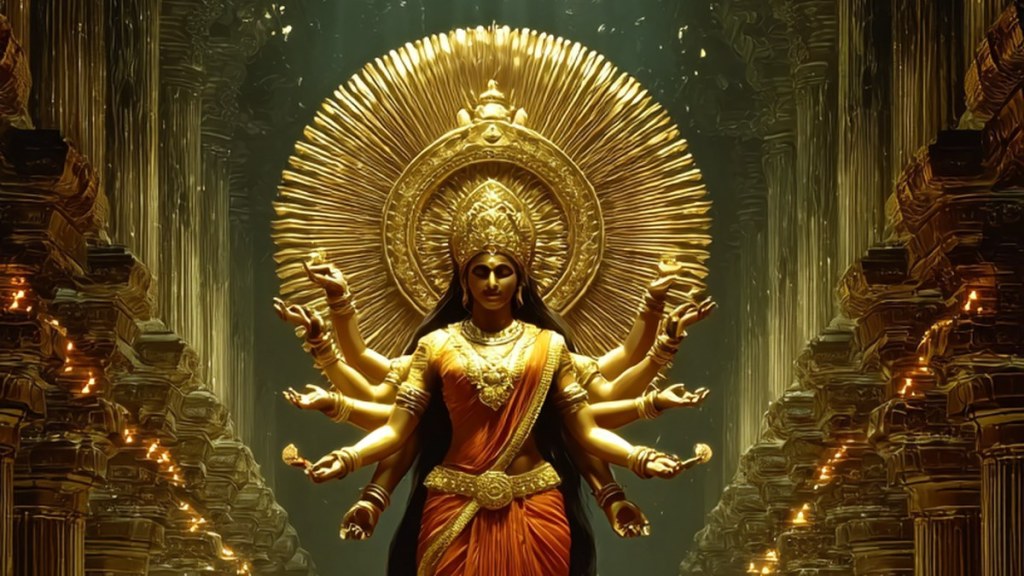
Nestled amidst the vibrant cultural blend of Tamil Nadu lies the Aram Valatthisvarar Temple, a spiritual anchor in the historic city of Kancheepuram. More than just a collection of stones and carvings, this temple is a living chronicle of Dravidian spirituality, a sanctuary where the ancient rhythms of Hindu tradition resonate with breathtaking architectural grace. For the seeker of authentic heritage, the temple offers an unparalleled journey into the devotional heart of South India.
As we explore the lore of this sacred site, we move beyond mere sightseeing. We step into a realm where history breathes and devotion shapes the very air. Prepare to explore the profound legacy of the Aram Valatthisvarar Temple, a jewel in the crown of Tamil religious architecture.
The Deep Roots of History
The history of the Aram Valatthisvarar Temple is interwoven with the socio-religious evolution of the region. Located in the ancient heartland of Tamil Nadu, its origins stretch back through centuries, reflecting the continuous flow of religious and cultural influences that have defined this land. Understanding the temple requires understanding the context of the era in which it was established and sustained.
Ancient Lineages and Patronage
While specific foundational dates require deeper textual study, the establishment of temples like this often reflects royal patronage and the deep-seated devotion of local communities. The temple reflects the enduring faith of the people who have revered this divine form for generations. It embodies the spirit of the region, blending local customs with pan-Indian religious narratives.
The Significance of the Kumbhabhishekham
A pivotal moment in the temple’s history was the grand Kumbhabhishekham, an event that took place after a span of 52 years. Such monumental ceremonies are not just religious rituals; they are socio-historical markers, signifying renewed sanctity, architectural rejuvenation, and the collective spiritual commitment of the community. It marks a significant milestone in the temple’s ongoing narrative.
“The Kumbhabhishekham serves as a powerful reminder that faith, when sustained over long periods, transforms physical structures into eternal spiritual monuments.”
Architectural Marvels and Sacred Spaces
The physical structure of the Aram Valatthisvarar Temple is a masterclass in Dravidian temple architecture. It is a complex interplay of stone, artistry, and spiritual symbolism, inviting the visitor to contemplate the meticulous craftsmanship dedicated to the divine. The layout and the intricate carvings tell a silent story of theological depth.
Dravidian Style and Stone Craftsmanship
The architectural style employed here adheres to the rich tradition of South Indian temple building. Notice the intricate gopurams, the detailed mandapams, and the precision of the stone carving. Each pillar, every frieze, and every carved narrative serves a purpose, guiding the devotee through a spiritual landscape. The use of local stone imbues the structure with an earthy, yet ethereal, quality.
The Confluence of Shrines
What makes this temple particularly unique is the presence of multiple shrines within one complex. The presence of dedicated spaces for Vinayaka, Muruga, Surya, and Bairava within the main structure speaks to a syncretic spiritual vision. This architectural arrangement reflects the holistic nature of the deity worshipped, inviting devotees to experience the diverse nature of the Divine in a single sacred space.
The Divine Pantheon: Deities and Legends
The presiding deity, Aram Valatthisvarar, sits at the apex of this divine hierarchy, embodying cosmic power and benevolent grace. However, the temple’s true magic lies in the multitude of divine presences it accommodates. Each enshrined deity carries a unique narrative, offering devotees diverse paths to spiritual realization.
The Essence of Aram Valatthisvarar
Aram Valatthisvarar represents the supreme aspect of Shiva, the cosmic dancer, embodying both destructive and creative energies. Worshipping this form connects the devotee to the infinite expanse of the universe. The presence of subsidiary deities like Vinayaka (the remover of obstacles), Muruga (the warrior aspect), Surya (the source of light), and Bairava (the fierce protector) creates an environment of complete divine presence.
Legends Etched in Stone
Local legends surrounding the temple are rich with stories that breathe life into the architecture. These narratives are passed down through oral tradition, weaving tales of divine intervention, miraculous events, and the spiritual significance of the location. These legends enrich the visitor’s experience, transforming a physical visit into an immersive spiritual encounter.
“The legends surrounding this temple are not just stories; they are the living history of the community, echoing the eternal truths of Dharma.”
Rhythms of Devotion: Festivals and Rituals
Religious life is often marked by vibrant festivals, moments when the divine energy flows most openly. The Aram Valatthisvarar Temple celebrates these festivals with unique rituals that blend ancient traditions with contemporary devotion. These celebrations are not just public events; they are deeply personal expressions of faith.
Celebrations of the Tamil Calendar
The temple adheres to the sacred calendar of Tamil Nadu, observing festivals tied to the Tamil month. Specific observances, such as the celebration of Skanda Sasti during the month of Aippasi (mid-October to mid-November) and Vinayaka Chadurti during the month of vaṇi (mid-August to mid-September), draw large congregations. These festivals are opportunities for intense spiritual practice and community bonding.
Marking the significant span before the grand Kumbhabhishekham.
The Ritual of Puja and Agamas
The rituals performed within the temple are governed by the Kamiga Agama, a specific set of Hindu rituals that dictate the precise manner of worship. Understanding the flow of these pujas reveals the profound depth of the temple’s liturgical practices. Every ritual is a carefully orchestrated act designed to invoke the blessings of the presiding deities.
A Visitor’s Guide to the Temple
For those planning a pilgrimage or a heritage visit, practical information ensures a more meaningful and comfortable experience. Understanding the logistics allows the visitor to engage with the site with greater respect and appreciation.
Getting There and Logistics
Reaching the Aram Valatthisvarar Temple requires careful planning. As it is situated within the broader cultural landscape of Tamil Nadu, connectivity is generally good, though local travel requires familiarity with the regional routes. Proper accommodation and local guidance enhance the experience immensely.
Temple Administration and Etiquette
As a temple under the administration of the Hindu Religious and Charitable Endowments Department, adherence to local customs and temple etiquette is paramount. Visitors are encouraged to dress modestly and maintain a demeanor of reverence. Respect the ongoing rituals and the sanctity of the space.
Conclusion: An Enduring Spiritual Legacy
The Aram Valatthisvarar Temple in Kancheepuram stands as a magnificent testament to the enduring spirit of Tamil culture and its deep connection to the divine. From its ancient foundations to the vibrant festivals it hosts, it is a living narrative of faith, art, and history. It invites all travelers, seekers, and history enthusiasts to pause, reflect, and connect with the timeless wisdom embodied in its stones.
This temple is an invitation to experience the profound harmony between the material world and the spiritual realm. It reminds us that true heritage is not just preserved in books, but lived and breathed in sacred spaces like this one. We encourage you to explore the rich heritage of Tamil Nadu further by visiting related temples and delving deeper into the spiritual geography of the region.
 10000 Temples of India