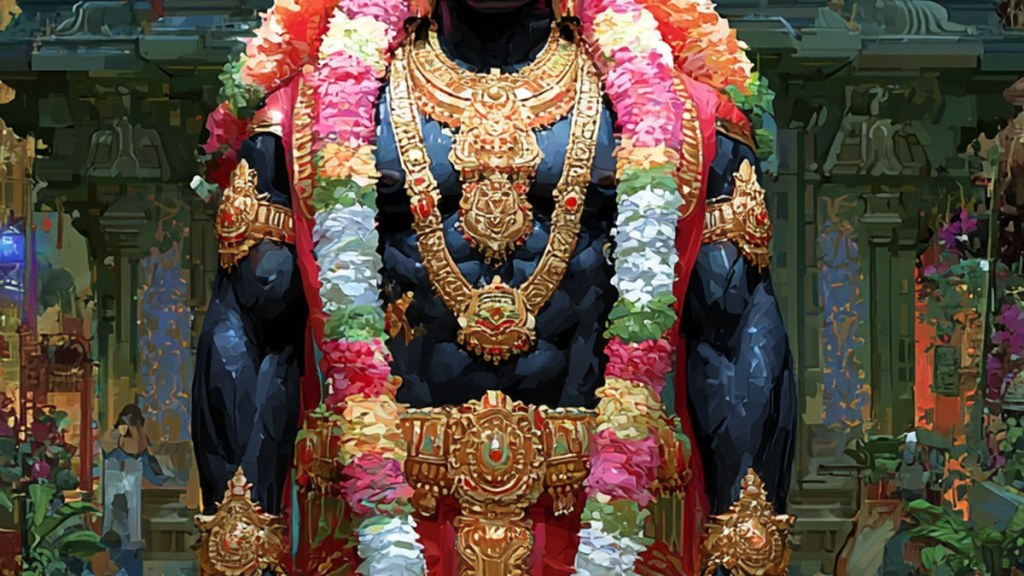
Journey with us to the heart of Odisha, to a place where the echoes of the Chauhan dynasty meet the profound stillness of divine artistry. The Anantasaayi Vishnu Temple, nestled near Sambalpur, is not merely a structure of stone and mortar; it is a living testament to centuries of devotion, a sanctuary housing one of the most striking representations of Lord Vishnu in India—the enigmatic black chlorite image of resting Vishnu.
For the discerning traveler and heritage seeker, this site offers an unparalleled opportunity to step outside the rush of modernity and immerse oneself in a spiritual landscape steeped in history. As we explore this sacred space, we uncover stories woven into the very architecture, legends whispered by the stones, and festivals celebrated with vibrant fervor.
\
A blend Woven in Time: The Historical Roots
To truly appreciate the Anantasaayi Vishnu Temple, one must first understand the era in which it was conceived. This temple is deeply rooted in the history of the Chauhan kings, a powerful lineage that shaped ancient North and East India. The foundation of this sacred site dates back to the early sixteenth century, an era marked by both martial strength and deep spiritual patronage.
Patronage of the Chauhan Dynasty
The temple was commissioned by the illustrious Chauhan king, Balaram Dev. This act of devotion was more than a simple construction project; it was an assertion of faith and a legacy etched in stone. The decision to build this temple speaks volumes about the religious and cultural landscape of the time, reflecting the deep reverence for Vishnu that permeated the region.
The history surrounding the temple is rich with anecdotal lore. It is recounted that the vision for this sanctuary arose from a poignant moment involving the queen, whose dowry included an image of Narayana. It was this sacred artifact that inspired the king to erect this magnificent shrine in honour of the supreme deity.
\”The temple is a physical manifestation of a royal promise—a dedication born from devotion and the desire to honour the divine presence within the realm of the living.\”
Architectural Brilliance: The Rekha Deula Style
The physical structure of the Anantasaayi Vishnu Temple embodies the regional architectural traditions while showcasing unique stylistic elements. The main sanctuary is masterfully executed in the Rekha Deula style, a hallmark of North Indian temple architecture, known for its graceful, curvilinear spire and commanding presence.
The Geometry of Devotion
The architecture is characterized by symmetry and elegant lines, creating an atmosphere of serene contemplation within the temple complex. The use of the Rekha Deula form elevates the structure, drawing the eye towards the central deity and symbolizing cosmic order.
Visitor Tip: When exploring the temple, take time to observe the intricate carvings. Notice how the geometric precision of the architecture complements the flowing lines of the divine forms depicted in the iconography.
Iconography Woven into Stone
Beyond the main structure, the temple complex is a rich visual narrative. The walls are adorned with depictions of pivotal figures from the Hindu pantheon, illustrating the interconnectedness of divine forms. We find prominent representations of Ganesha, the remover of obstacles, and Garuda, the divine vehicle, alongside various glorious Avatars of Narayana. These elements are not merely decorative; they are theological statements rendered in stone.
The Divine Presence: Lord Vishnu and the Chlorite Legacy
The true soul of the Anantasaayi Vishnu Temple lies in its central focus: the representation of Lord Vishnu. What makes this temple uniquely captivating is the specific artistic medium used for the central image. It is famous throughout the region for the black chlorite image of resting Vishnu.
The Enigma of Black Chlorite Art
Chlorite, a naturally occurring mineral, lends a deep, profound, almost velvety black hue to the artwork. This material, used by the artisans of the sixteenth century, imbues the image with an aura of timeless mystery and deep spiritual gravity. The resting posture of Vishnu in this depiction evokes a state of perfect, eternal repose—a visual metaphor for cosmic peace and the ultimate reality of existence.
Legends and Spiritual Resonance
The presence of Vishnu, the preserver of the cosmos, is amplified by the temple’s specific legend. The story of the queen bringing the image in dowry connects the earthly realm of royalty with the celestial authority of the deity. This narrative transforms the artwork from a mere sculpture into a sacred heirloom.
\”The resting form of Vishnu in chlorite is a silent invitation to pause, to reflect on the eternal nature of peace that underlies all creation.\”
Rhythms of Devotion: Festivals and Celebrations
Temples are not just places of worship; they are vibrant centers of community life, pulsating with the energy of religious festivals. The Anantasaayi Vishnu Temple serves as a focal point for celebrations dedicated to Lord Vishnu, ensuring that the spiritual life of the community is continually renewed.
Ananta Chaturdashi: The Zenith of Celebration
Among the numerous festivals celebrated here, the most significant occasion is undoubtedly Ananta Chaturdashi. This festival, celebrated when the divine form of Lord Ananta is invoked, falls during the auspicious month of Bhadrapada. During this time, the temple buzzes with vibrant rituals, devotional songs, and community gatherings, bringing the entire region into a state of collective spiritual ecstasy.
A Traveler’s Guide: Reaching the Sacred Site
For those planning a pilgrimage or a cultural exploration, understanding the logistics of reaching this remarkable site is just as important as appreciating its beauty. Situated in the historic heart of the region, accessibility is straightforward, allowing visitors to transition smooth from the bustle of modern life to ancient serenity.
Getting There and Local Context
The temple is conveniently located within easy reach of major transportation links. It is situated approximately two kilometres from the Sambalpur railway station. This proximity makes it an accessible destination for travelers arriving by train or road.
- Railway Access: Directly accessible from Sambalpur Railway Station.
- Local Area: Located in the vicinity of Kamali Bazar, near Bada Bazar, placing it within the historical core of Sambalpur.
- Travel Note: While the temple itself is a spiritual retreat, the surrounding area offers a rich blend of local history and culture.
Visitor Tip: Allow ample time for reflection. The true experience of the Anantasaayi Vishnu Temple is found not just in viewing the architecture, but in sitting quietly, absorbing the silence, and allowing the ancient energy to settle within you.
Conclusion: An Enduring Legacy
The Anantasaayi Vishnu Temple in Sambalpur stands as a magnificent convergence of art, history, and spirituality. From the patronage of the Chauhan kings to the profound artistry of the black chlorite depiction, this site offers a powerful narrative of enduring faith. It invites us to look beyond the surface, to see the deep, resonant history embedded in every carved line and every sacred ritual.
It is an invitation to slow down, to listen to the echoes of the past, and to connect with the timeless serenity embodied by Lord Vishnu. Travel to Sambalpur, and discover this hidden gem of Odisha heritage for yourself. Further explorations of related sites await you on our blog: Related Temple.
 10000 Temples of India