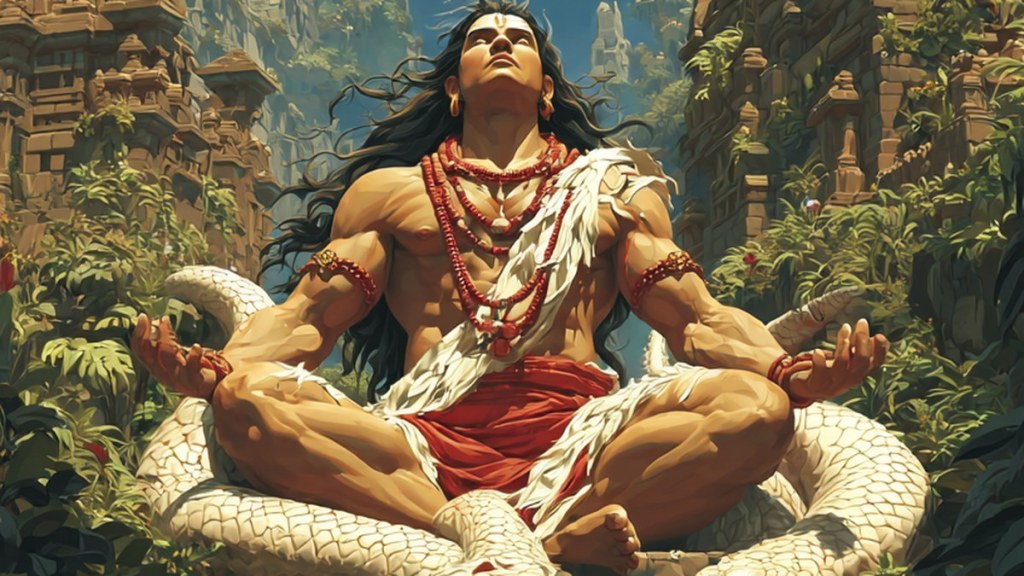
Anjumoorthy Temple: A Journey into the Divine Heart of Kerala
Nestled in the serene landscapes of Kerala, where the verdant hills meet the rhythm of ancient spirituality, lies the Anjumoorthy Temple. More than just a collection of stones and carvings, this site stands as a profound testament to the enduring legacy of Hinduism and the architectural genius of South India. As one of the 108 Shiva Temples scattered across the subcontinent, Anjumoorthy represents a unique confluence of history, devotion, and breathtaking natural beauty.
For the traveler seeking an authentic immersion into the cultural blend of India, the journey to Palakkad and the discovery of this sacred site offers an unparalleled window into the soul of Kerala. It invites contemplation on the architectural styles, the deep-rooted mythology, and the vibrant spirit of the people who have sustained this heritage for centuries.
The Spiritual Significance of the 108 Shiva Temples
The spiritual landscape of India is richly mapped by its sacred sites, and the Anjumoorthy Temple holds a distinguished place within this grand enumeration. Being recognized as one of the 108 Shiva Temples underscores its immense importance within the broader Hindu tradition. These temples are not isolated monuments; they are focal points where the divine energy of Lord Shiva is manifested through art, ritual, and community life.
A blend of Devotion
The concept of the 108 temples speaks to the pervasive nature of Shiva worship across the subcontinent. Each temple, like Anjumoorthy, embodies a specific regional interpretation of Shaivism, reflecting the unique cultural nuances of Kerala. Visiting such a site allows one to trace the evolution of religious thought and the deep, personal connection that devotees forge with the divine.
A History Etched in Stone and Lore
The history of the Anjumoorthy Temple is interwoven with the socio-historical narrative of the Palakkad region. While specific dates for its founding are often lost to the mists of time, the temple embodies centuries of continuous worship and cultural evolution. It stands as a living chronicle of the region’s spiritual history, witnessing the passage of eras through the devotion of its worshippers.
Ancient Roots in Kerala
Kerala, with its unique blend of geography and culture, has always been a melting pot for various religious influences. The presence of temples like Anjumoorthy demonstrates the deep integration of Hindu philosophy into the fabric of Keralite life. The history here is not just about construction; it is about the continuous thread of faith woven into the local identity.
“The stones of Anjumoorthy do not merely bear the weight of history; they resonate with the eternal chants of devotion that have echoed through the valleys of Kerala for ages.”
Architectural Marvels and Regional Style
The architecture of the Anjumoorthy Temple reflects the distinct artistic traditions of Kerala. It showcases a unique synthesis of Dravidian and local architectural elements, characterized by intricate carvings, graceful temple structures, and the use of local materials that harmonize with the surrounding tropical environment. The design is a masterclass in how sacred geometry can be expressed through local craftsmanship.
Craftsmanship in Stone
Examining the temple reveals the meticulous work of the artisans who brought this vision to life. The structure speaks volumes about the skill of the builders in adapting grand religious concepts to the specific aesthetic sensibilities of the region. Every pillar, every doorway, and every intricate motif tells a story of devotion translated into tangible form.
The Divine Presence: Deities and Legends
At the heart of the temple lies the worship of Lord Shiva, the supreme ascetic and destroyer and regenerator. The specific iconography and the local legends associated with the Anjumoorthy Temple add layers of mystique to the experience. Devotees come seeking not just a place of worship, but a direct connection to the divine energy embodied by the temple.
The Worship of Shiva
As a Shiva temple, the focus is on the cosmic dance and the meditative power of the divine. Legends surrounding such temples often explore divine interventions, the establishment of sacred geography, and the role of Shiva in maintaining cosmic order. These narratives are the living soul of the temple, passed down through generations of oral tradition.
“The atmosphere within the temple is thick with an ancient, palpable energy—a silent invitation to stillness amidst the chaos of the world.”
Festivals and Community Life
Religious life in Kerala is vibrant, punctuated by festivals that transform the temple into a hub of communal celebration. The annual festivals celebrated at Anjumoorthy Temple are not just religious observances; they are vibrant cultural events that bring the entire community together in shared joy and reverence. These celebrations highlight the symbiotic relationship between the temple and the local populace.
Celebrating Together
Festivals offer a chance to witness the rich cultural expressions of Kerala—music, dance, food, and communal feasting. Participating in these events provides an authentic glimpse into the living, breathing spirituality of the region, far beyond the confines of a museum or textbook.
This temple belongs to the esteemed group of 108 Shiva Temples across India, signifying its place in the grand narrative of Indian spirituality.
A Visitor’s Guide to Anjumoorthy
For those planning a pilgrimage or a cultural exploration to this beautiful region, practical information ensures a smooth and meaningful visit. Understanding the local context enhances the experience of visiting this historic site.
Getting There and Logistics
Reaching the Anjumoorthy Temple requires navigating the scenic routes of Kerala. Planning your travel allows you to appreciate the landscapes as much as the destination itself. Ensure you are prepared for the journey and the subsequent spiritual immersion.
- Best Time to Visit: The monsoon season (June to September) offers lush greenery, though the post-monsoon season (October to March) provides comfortable, clear weather for exploration.
- Local Cuisine: Explore the authentic flavors of Kerala cuisine near Palakkad; the food reflects the region’s deep cultural roots.
- Temple Etiquette: Always observe local customs regarding dress and conduct to show respect for the sacred space.
Conclusion: Echoes of Eternity
The Anjumoorthy Temple stands as a powerful reminder that true heritage is found where art, spirituality, and nature converge. It is a destination that invites us to slow down, reflect, and connect with the timeless spiritual currents flowing through Kerala. As we leave this sacred space, we carry with us not just photographs, but a deeper understanding of the profound, enduring spirit of India.
We encourage you to explore related spiritual journeys by visiting Related Temple and explore into the rich history of Kerala’s spiritual landscape.



 10000 Temples of India