
Whispers in Stone: A Journey Through the Ajanta Caves
To stand before the Ajanta Caves is not merely to view ancient rock-cut structures; it is to step directly into the spiritual consciousness of the second century BCE. These monolithic chambers, carved into the basalt cliffs of Maharashtra, are an unparalleled testament to human devotion and artistic genius. Universally regarded as masterpieces of Buddhist religious art, the Ajanta Caves guide promises an immersion into a world where pigment, stone, and spirituality merge into breathtaking harmony.
The surviving murals and sculptures here are more than decorative—they are narratives etched in ochre and time. They present emotions, philosophical depth, and complex spiritual journeys through gesture, pose, and form, making this site a pilgrimage for art lovers, historians, and seekers alike. Whether you are tracing the footsteps of ancient monks or simply captivated by the sheer scale of the artistry, the Ajanta Caves offer a profound dialogue with the past.
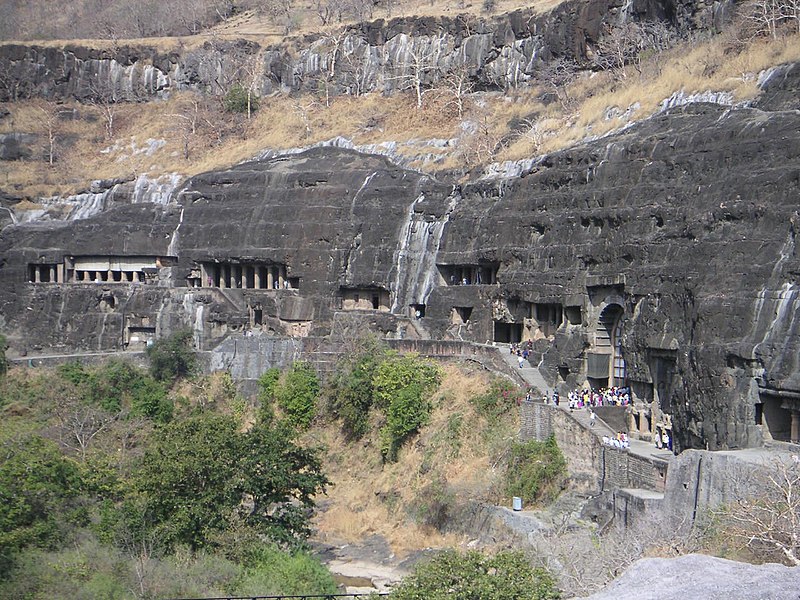
This comprehensive guide will navigate you through the history, the profound architecture, the sacred legends, and the practicalities of visiting this UNESCO World Heritage Site.
A Journey Through Time: The History of Ajanta Caves
The story of the Ajanta Caves is one of gradual revelation, spanning nearly a millennium of religious and artistic patronage. The site did not spring into existence fully formed; rather, it evolved in distinct, successive phases, mirroring the changing currents of Buddhist thought and patronage in ancient India.
Two Epochs of Creation
Archaeological consensus points to two major building periods. The first wave of construction flourished from the second century BCE to the first century CE. During this time, the caves began to take shape, serving as crucial monsoon retreats for wandering monks. Later, subsequent construction and embellishment continued across subsequent centuries, building upon the foundational structures.
This layered history means that when you explore, you are engaging with multiple eras of craftsmanship. The very stone whispers stories of successive hands—monks, patrons, and artisans—who dedicated their lives to preserving the Dharma.
The Function: Monasteries and Halls
The structures found here are fundamentally functional religious complexes. They are categorized primarily as Viharas (monasteries or dwelling cells for the monks) and Chaityas (large worship halls designed for congregational prayer). These were not just shelters; they were self-contained spiritual ecosystems.
The enduring nature of the site—its survival through empires, invasions, and shifting cultural tides—is itself a monumental achievement, making the Ajanta Caves guide an exploration of resilience.
Architectural Marvels: Understanding the Rock-Cut Art
The sheer scale of the rock-cut architecture at Ajanta is breathtaking. Imagine excavating entire functional communities—with cells, stupas, and pillared halls—directly out of living rock. This feat of engineering, executed without modern machinery, speaks to an advanced mastery of quarrying and structural design.
The Art of the Mural: Color and Narrative
While the entire complex is magnificent, the surviving paintings—particularly in Caves 1, 2, 16, and 17—form the core of its artistic value. These murals are famed for their vibrancy and narrative depth. The artists use natural pigments, creating colors that have defied the passage of time, though much care must be taken to view them.
The technique employed is sophisticated, requiring knowledge of mineral binders and wall preparation. The resulting artwork is less like modern painting and more like illuminated storytelling, where every gesture carries symbolic weight.
From Cave to Sculpture: Form and Function
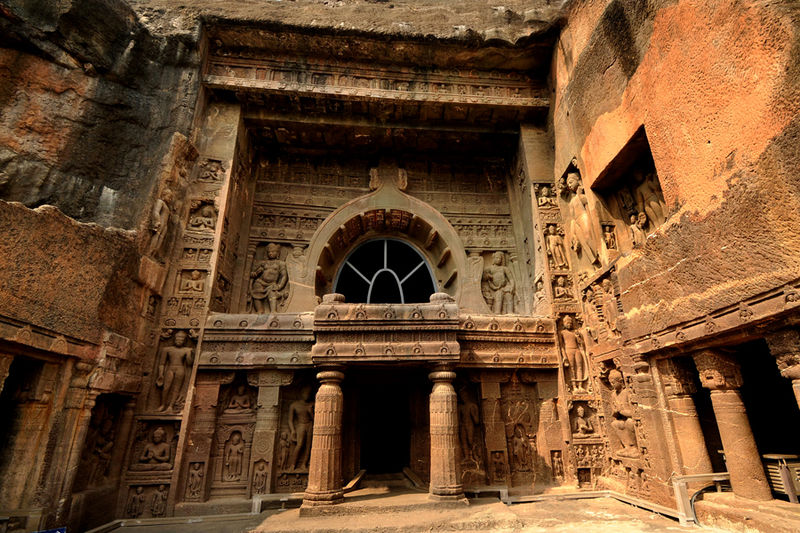
The sculptures, carved directly into the rock face, complement the paintings perfectly. They are characterized by a naturalism and fluidity rarely matched in ancient Indian art. The pillars, railings, and Buddha images demonstrate a smooth integration of structural necessity with aesthetic brilliance.
When you walk through the colonnaded halls, observe how the architecture dictates the art. The rhythm of the pillars sets the pace for the narrative murals, creating a holistic, enveloping spiritual experience.
The Spiritual Heart: Legends and Iconography
What makes the Ajanta Caves resonate so deeply is their subject matter. They are visual scriptures, designed to educate and inspire the faithful about the core tenets of Buddhism.
Jataka Tales: Stories of Rebirth
A central theme running through the murals is the depiction of the Buddha’s past lives, known as the Jataka tales. These pictorial narratives illustrate the accumulation of virtue and compassion across countless incarnations. They are vivid reminders to the viewer of the endless cycle of karma and rebirth.
These tales transform abstract philosophical concepts into relatable human drama, making the teachings accessible even to those unfamiliar with the deeper doctrines.
Deities and Devotion
Beyond the Buddha, the caves feature detailed representations of various Buddhist deities and attendant figures. These figures are rendered with exquisite attention to detail—the drape of a robe, the expression on a face, the symbolic objects held in the hand. This rich iconography provides a deep window into the spiritual cosmology of the time.
Planning Your Pilgrimage: A Visitor’s Essential Guide to Ajanta Caves
Visiting the Ajanta Caves requires preparation. They are not a quick stop; they demand time, patience, and a respectful pace. Understanding the logistics is key to maximizing your experience.
How to Reach the Sacred Site
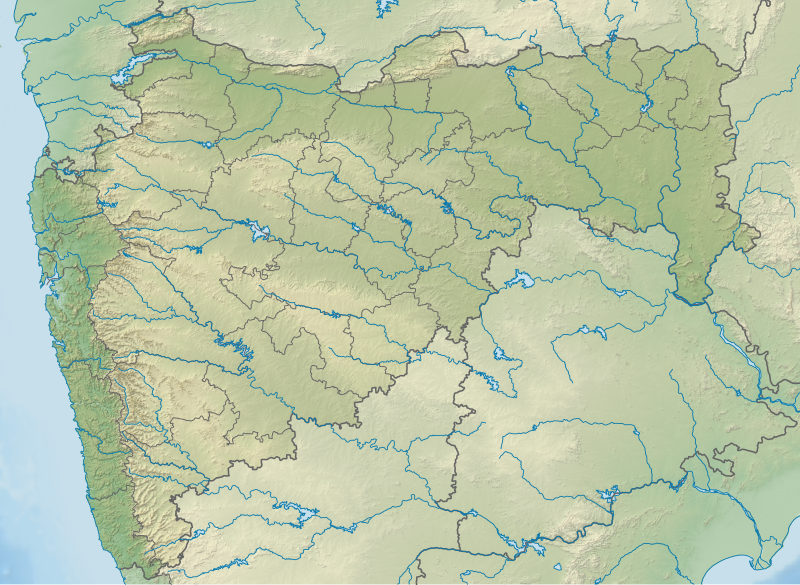
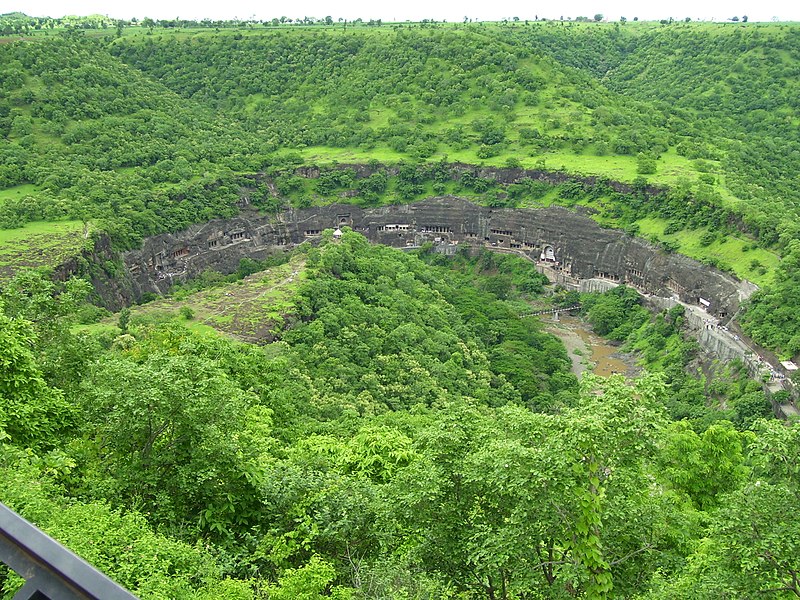
Geographically, the Ajanta Caves are situated in the Aurangabad district of Maharashtra. While they are a major attraction, they are not centrally located, requiring careful planning of your journey.
- By Rail: The nearest major railway stations are Jalgaon and Bhusawal. From these points, local transport to the site is necessary.
- By Road: The distance from Aurangabad is approximately 104 kilometres (65 miles), while from Jalgaon, it is around 59 kilometres (37 miles). Hiring a private car or taking organized bus services are the most common methods.
- From Mumbai: The journey from Mumbai is significantly longer, estimated at about 350 kilometres (220 miles) east-northeast.
It is highly recommended to book accommodation in or near Aurangabad, as it serves as the central hub for accessing both Ajanta and the nearby Ellora Caves.
Best Practices and Etiquette
Respect for this sacred space is paramount. Remember that you are walking through a living heritage site, not just a museum.
- Timing: Plan your visit early in the morning to avoid peak heat and to experience the site with a quieter, more contemplative atmosphere.
- Guides: Hiring a knowledgeable local guide is invaluable. They bring the historical and cultural context that text books cannot replicate.
- Photography: While photography is generally permitted, always be mindful of flashing lights near the delicate murals, as this can cause irreversible damage.
Beyond the Walls: Context and Neighboring Wonders
The spiritual and artistic milieu that nurtured Ajanta is vast. To fully appreciate its genius, one must look at its neighboring masterpieces, most notably the Ellora Caves.
The Triad of Faith: Ajanta vs. Ellora
While Ajanta is predominantly renowned for its exquisite Buddhist murals, the nearby Ellora Caves offer a remarkable juxtaposition. Ellora is unique because it houses rock-cut architecture dedicated to three major faiths: Hinduism, Jainism, and Buddhism. This confluence showcases the religious tolerance and cultural dynamism of the region over centuries.
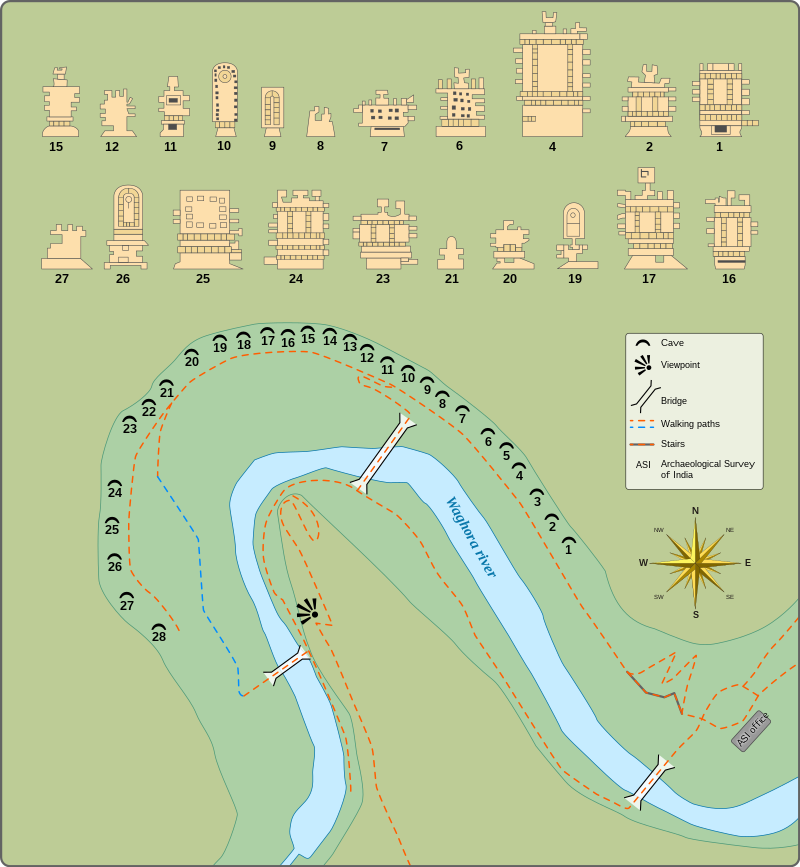
Furthermore, the artistic lineage is shared. The decorative and structural styles found in Ajanta can be traced to other nearby sites, such as the Elephanta Caves, providing scholars with a rich comparative study of ancient Indian craftsmanship.
The Echoes of Craftsmanship
The continuity of artistic tradition is palpable. The mastery seen in the Ajanta frescos—the handling of drapery, the expressive eyes—is part of a continuous cultural dialogue that spanned across Maharashtra’s spiritual landscape. These sites collectively define a golden age of Indian art.
Conclusion: Carrying the Light of Ajanta
Leaving the Ajanta Caves feels like emerging from a deep, vivid dream. The air seems different, imbued with the incense of old devotion and the quiet echo of chanting monks. The experience is overwhelming—a sensory overload of color, story, and profound history.
The Ajanta Caves guide reveals that these caves are not just tourist destinations; they are active repositories of human belief. They invite every visitor to pause, to observe the subtle smile on a painted Buddha’s face, and to contemplate the universal journey toward enlightenment.
We encourage you to approach these walls with humility. Let the ancient artistry speak to your own journey. May the echoes of the Sangha guide you toward your own moments of profound clarity.
For deeper explorations into regional sacred sites, consider visiting Ellora Caves, which offers a fascinating contrast in religious styles, or explore the history of ancient Indian art in general.
 10000 Temples of India