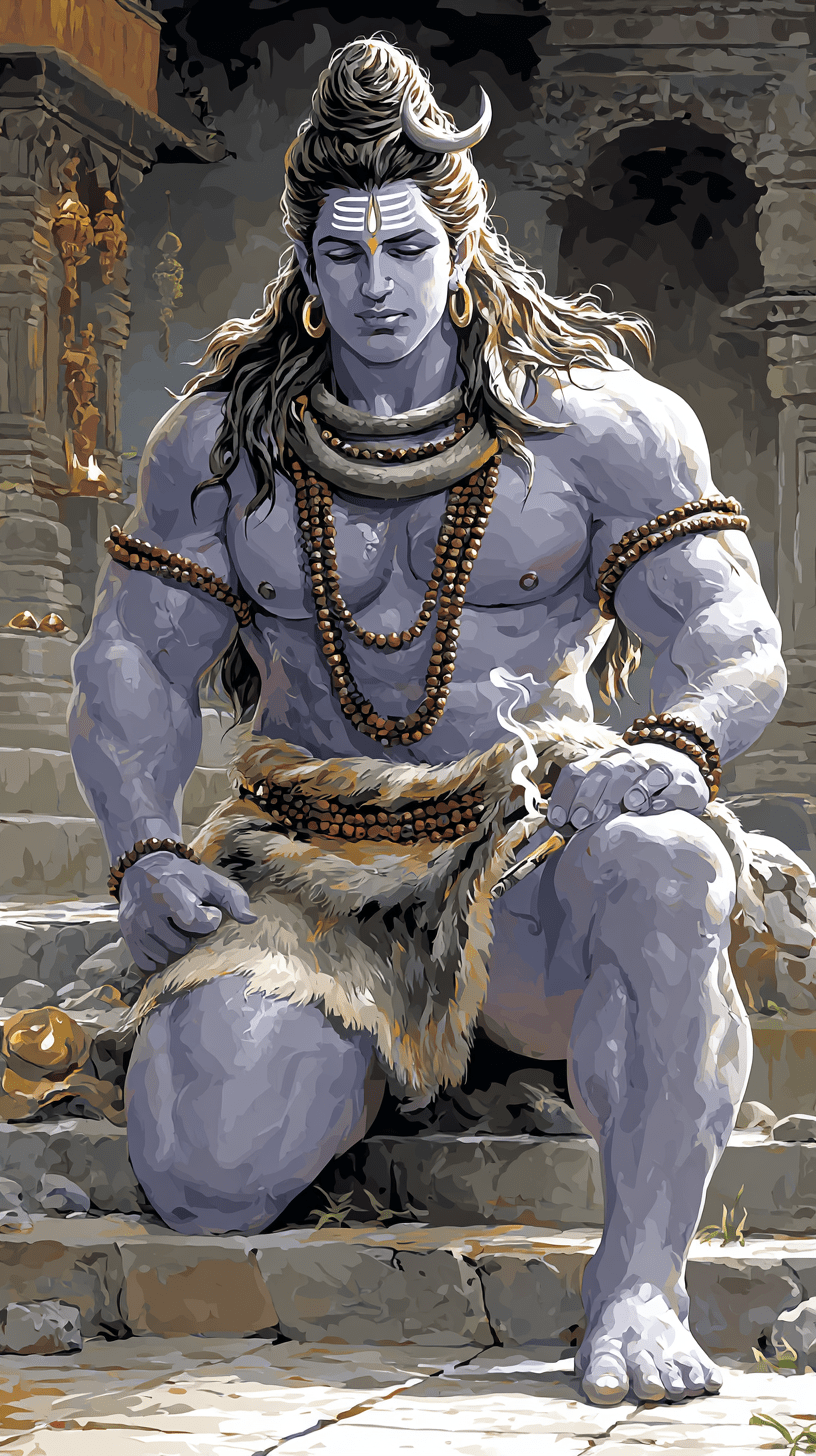
To step into the hallowed grounds of the Aiyarappar Temple is to traverse back in time—a journey into the deep currents of Tamil Shaivism. Nestled in the sacred landscape of Tiruvaiyaru, this magnificent shrine is not merely a place of worship; it is a living chronicle of devotion, architectural genius, and profound myth. Dedicated to Lord Shiva, revered here as Panchanatheeswarar, the temple complex embodies the majesty of Dakshina Kailasam—the Southern abode of Shiva. For pilgrims, understanding the Aiyarappar Temple means understanding a confluence of history, legend, and unparalleled devotion.
The Sacred Geography: Understanding Panchanatheeswarar
The very name of the presiding deity, Panchanatheeswarar, hints at the temple’s spiritual geography. In Tamil, the prefix ‘ai’ signifies five, and ‘aru’ means river. This reference to five sacred rivers—Vadavaru, Vennaaru, Vettaaru, Kudamuruttiyaaru, and Kaaviriyaaru—is central to the temple’s identity. It suggests that the divine presence here is one that nourishes and sustains life, mirroring the life-giving flow of these five tributaries.
A Site of Divine Convergence
The temple complex is vast, encompassing an area of approximately 60,000 square meters. It is structured around five distinct prakarams (closed precincts), each layer representing a different stage of spiritual immersion. The architectural layout itself guides the devotee, moving them from the outer world into the intimate sacred space of the sanctum sanctorum.
The spiritual significance deepens when one considers the association with Nandi, Shiva’s divine mount. Legend holds that this very spot is where Nandi was born to the sage Salandha, connecting the Aiyarappar Temple to foundational myths of divine lineage.
A blend of Time: History and Patronage
The history of the Aiyarappar Temple is not a single narrative, but a rich, layered accumulation of patronage across millennia. Its walls bear witness to the political and cultural zenith of several great South Indian dynasties.
Echoes of Empire: Chola and Pandya Influence
Inscriptions adorning the temple are invaluable historical documents. They speak of contributions from the mighty Cholas, the Pandyas, and later the Thanjavur Nayaks and Marathas. The early foundational masonry dates back to the 9th century under the Chola dynasty, suggesting an enduring spiritual commitment that transcends shifting political tides.
The connection to the Cholas is particularly strong. Records link the temple to rulers like Rajaraja and Rajendra Cholan. The dedication of the Uttarakailasam by Rajaraja Cholan’s queen, and subsequent renovations to the Dakshinakailasam, illustrate a continuous royal patronage aimed at maintaining this sacred epicenter.
The Nayanar Connection
The spiritual weight of the site is amplified by the association with the Nayanar tradition. Appar, one of the most revered Saivite saints, dedicated profound hymns to this shrine in the Tevaram. This connection elevates the pilgrimage from a mere visit to a deeply spiritual undertaking, one guided by centuries of saintly devotion.
Architectural Grandeur: Decoding the Temple Layout
To approach the temple is to be met by an overwhelming display of Dravidian architectural prowess. The structure is designed not just for function, but for a gradual, ritualistic ascent towards the divine. It faces east, the direction of the rising sun and spiritual awakening.
The Gateway and the Precincts
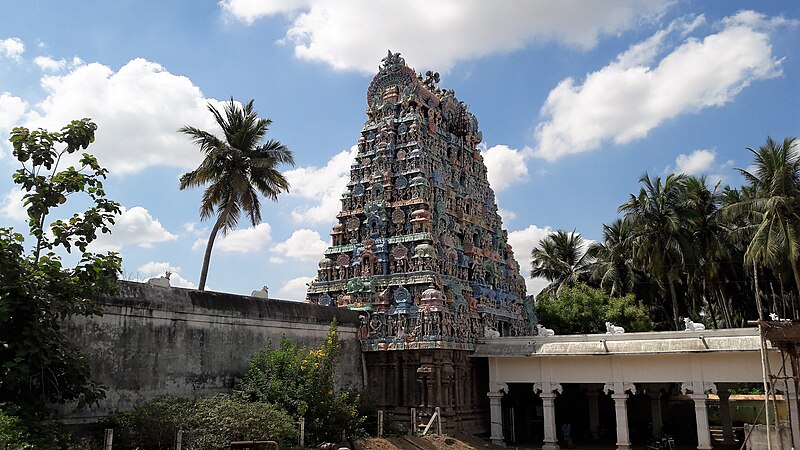
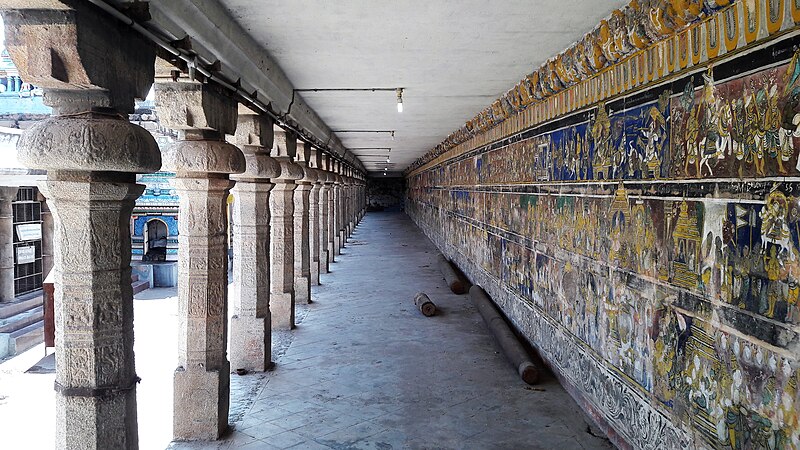
The entrance is marked by a towering, seven-tiered pyramidal Raja Gopuram. These gateway towers are magnificent statements of devotion, symbolizing the threshold between the profane and the sacred. Beyond the main gate, the five prakarams guide the visitor deeper into the complex, each courtyard holding its own specialized ritual space.
The Inner Sanctum and Mandapams
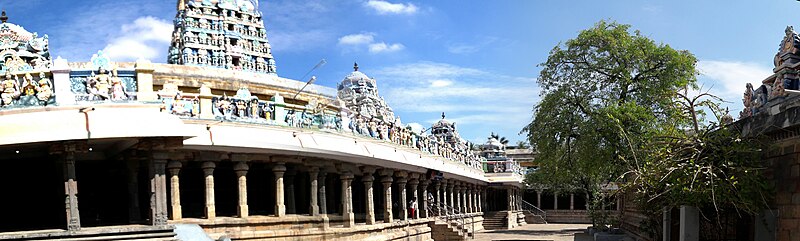
At the heart lies the sanctum, housing the main lingam. The complex features several specialized halls: the Ardhamandapa, which extends gracefully towards the east, and the Mukhamandapa. These halls are designed for specific rituals, such as the performance of Panchaksara japam.
- The Sanctum: Housing the primary lingam, the design maintains a measured sanctity, contrasting the solid stone with the ethereal presence of the deity.
- Devakoshtas: Five exterior niches adorn the walls, traditionally meant to house various divine forms, though images of Dakshinamurthy and Brahma remain visible, offering glimpses into the pantheon.
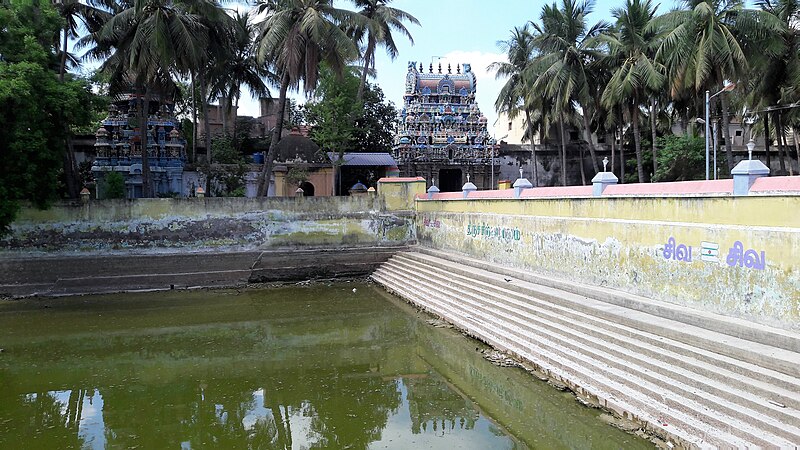
- Water Bodies: The sacredness is further emphasized by the five interconnected tanks or Theerthams (Surya Pushkarani, Ganga Theertham, etc.), symbolizing the five rivers and purifying the pilgrim’s spirit.
Mythology and Manifestation: The Legends of Shiva
The divinity worshipped at the Aiyarappar Temple is richly woven into local folklore, making the experience deeply immersive. The legends explain the five rivers, the divine lineage, and the necessity of the temple’s existence.
The Myth of the Five Rivers
The designation Panchanatheeswarar is intrinsically linked to the five rivers. The legend suggests that the deity’s power is so immense that it governs the flow and spirit of these five waterways. This concept ties the physical landscape directly to the divine will, making the entire complex feel like a microcosm of the cosmos.
Nandi’s Origin and Divine Intervention
The most enduring narrative surrounds Nandi. The belief that he was born at this location anchors the temple to the very origins of the monastic tradition. Furthermore, tales of devotees praying for safe passage across swollen rivers, and the ensuing divine intervention—where the river itself parts its way—speak to Shiva’s immediate and potent connection to the mortal struggle.
Experiencing the Pilgrimage: Festivals and Rituals
While the daily rituals are profound, the temple truly comes alive during its grand festivals. These celebrations are not merely tourist spectacles; they are vibrant, communal reaffirmations of faith that draw devotees from across the globe.
The Annual Celebrations
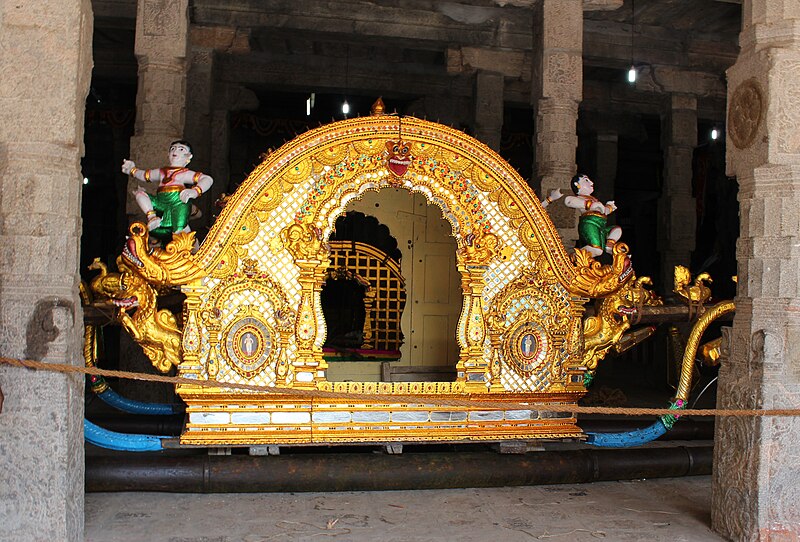
Though the source material mentions the ‘Saptha Stanam festival’ related to a nearby event, the sheer scale of the local festival celebrations surrounding Aiyarappar is legendary. These events often involve processions (utsavams) where the Utsava Lingams (processional deities) are taken out on grand chariots, accompanied by the rhythmic beat of temple drums (thavil), the piercing call of temple horns, and the chants of Vedic hymns.
The atmosphere during a major festival is sensory overload in the best possible way: the scent of camphor and jasmine mixing with the humidity, the visual feast of silk garments, and the palpable energy of thousands united in devotion. It is a powerful, collective act of remembrance.
A Practical Guide for the Devotee
Visiting the Aiyarappar Temple requires a blend of reverence and practical preparation. As a major pilgrimage site, the logistics are as important as the spirituality.
When to Visit
The best time to visit is generally during the cooler, drier months, though the temple remains a pilgrimage destination year-round. Always check local calendars for major festival dates, as these provide the most immersive experience.
What to Wear and What to Know
Dress code is important: modest, respectful attire is mandatory for all visitors. Shoulders and knees must be covered. Be prepared for crowds, the heat, and the sheer scale of the site.
Navigating the Temple Complex
The best approach is to allocate at least a full day. Start by understanding the flow—entering through the main gopuram, traversing the main prakaram, understanding the significance of the five rivers, and finally, spending time in quiet contemplation near the sanctum.
Conclusion: Carrying the Divine Echoes Home
Leaving the Aiyarappar Temple feels like waking from a deep, profound dream. It is a place where the temporal world meets the eternal. The devotion etched into the stone, the whisper of the Nayanars, and the constant flow of the five sacred rivers all converge to create an atmosphere of profound peace and immense power.
Whether you are a seasoned pilgrim or a novice traveler, the Aiyarappar Temple offers more than just a glimpse into history—it offers a deep, resonant connection to the eternal rhythm of the divine. We encourage you to let the wisdom of Dakshina Kailasam wash over you, taking its serene energy back with you into the modern world.
For deeper dives into the regional spirituality, explore our guides on Sangam Period Temple Architecture or learn more about Tamil Shaivism Pilgrimages.
 10000 Temples of India