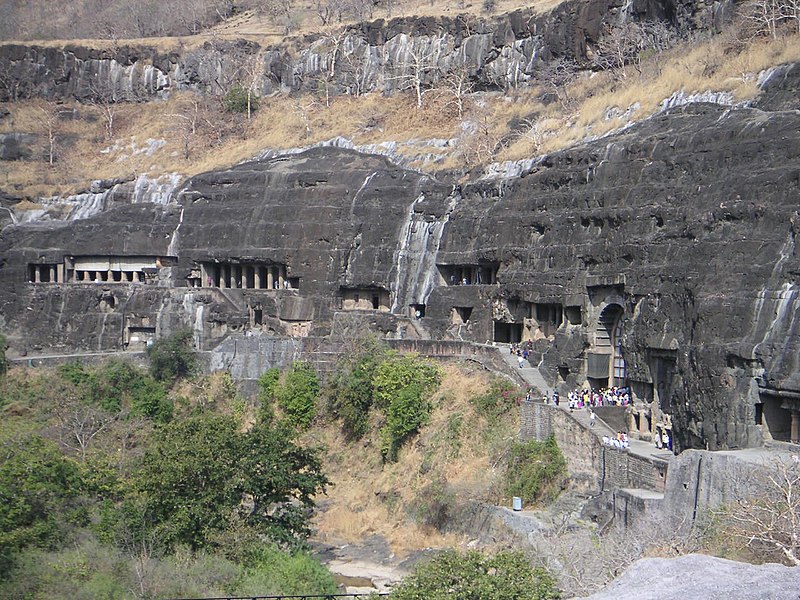
Whispers in Stone: A Visual Journey Through the Ajanta Caves
To stand before the Ajanta Caves is not merely to view ancient art; it is to step through a veil of time. It is to encounter the quiet, profound genius of a civilization that sought to capture the fleeting nature of enlightenment onto the permanence of rock. These monumental rock-cut Buddhist cave monuments, nestled in the dramatic landscape of Maharashtra, are universally regarded as masterpieces—a living gallery where murals, sculptures, and the very rock breathe the history of faith, artistry, and human endurance. For any traveler seeking the soul of India, understanding the Ajanta Caves is understanding the depth of its artistic and spiritual lineage.
These caves, dating from the second century BCE through the late 5th century CE, are more than just historical sites; they are monumental narratives etched into the basalt rock. They served simultaneously as monastic retreats for wandering monks, as centers of learning, and as places of solace for weary merchants and pilgrims traversing ancient trade routes. The sheer scope of surviving artistry—the vibrant, emotive murals and the meticulously carved Viharas (monasteries) and Chaityas (worship halls)—makes this site an unparalleled treasure of world heritage.
A blend Woven in Time: The History of Ajanta
The story of the Ajanta Caves is inherently layered, unfolding across several centuries. Unlike structures built in a single grand campaign, these caves reveal a continuous, evolving spiritual patronage, marked by distinct construction phases. Understanding this timeline is key to appreciating the artistic evolution visible within the walls.
The Two Great Eras of Creation
Archaeological consensus points to two major developmental phases. The earliest phase saw construction beginning around the 2nd century BCE, establishing the initial monastic footprint. This period was foundational, setting the spiritual and architectural precedent. Centuries later, a second wave of activity saw further expansion and refinement, reaching its zenith around the 400 to 650 CE period, though later scholarship suggests a slightly tighter window of completion.
These caves are not a monolith; they are a collection of 36 identifiable foundations, each telling a slightly different part of the narrative. The numbering system, which sometimes confuses visitors, is a modern convenience, not a chronological map. This sprawling complex suggests a steady, sustained commitment to Buddhist doctrine and art over nearly a millennium.
More Than Just Monasteries
While the primary focus remains on the Buddhist tradition, the architectural echoes suggest a broader cultural exchange. The very existence of these large, complex structures—the Viharas designed for residential monastic life, and the vast Chaityas designed for communal worship—speaks to the organized, thriving community that once resided here. They were spiritual hubs, drawing people from across the subcontinent.
The Living Mural: Architecture and Artistry
If the history provides the skeleton, the murals provide the vibrant soul. The artistry within the Ajanta Caves is what elevates this site from mere archaeological curiosity to a sublime experience. The surviving paintings are among the finest examples of ancient Indian mural art, famed for their emotional resonance and technical mastery.
The Narrative Power of the Paintings
The surviving murals are breathtaking in their depiction of human emotion. Artists use gestures, poses, and facial expressions to convey deep spiritual concepts—the very definition of expressive narrative art. A significant portion of the paintings depicts the Jataka tales—stories of the Buddha’s previous lives—which served both as moral lessons and as engaging pictorial epics for the monastic community.
The vibrant pigments, though faded by time and weather, still allow us to glimpse the original glory. The themes explored range from courtly life to ascetic contemplation, giving the visitor a panoramic view of ancient Indian society through a spiritual lens. The sheer technical skill required to apply such vivid color to rough-hewn rock surfaces remains astounding.
Sculpture and Space: The Architectural Harmony
Complementing the two-dimensional murals are the magnificent rock-cut sculptures. These are not simply decorative; they are integral to the spiritual architecture. The careful carving of pillars, niches, and the main halls reinforces the devotional purpose of the site. The architects mastered the art of creating vast, cavernous spaces that simultaneously felt intimate and overwhelmingly sacred.
Spiritual Resonance: Deities and Legends
The central focus of the art is, naturally, the life and teachings of the Buddha. The depiction of his past lives and his ultimate enlightenment serves as the spiritual anchor for the entire complex. These caves functioned as pilgrimage destinations, drawing devotees seeking both physical respite and spiritual awakening.
The Purpose of the Monastic Retreat
Textual records suggest these sites were vital monsoon retreats. They offered a sheltered environment where monks could dedicate themselves fully to study and meditation, away from the bustle of the outside world. This sustained monastic presence is what kept the art tradition alive, passing knowledge from generation to generation.
The legends woven into the art—tales of compassion, sacrifice, and ultimate wisdom—are potent reminders of the ethical framework that guided ancient Indian thought. The art demands contemplation, forcing the modern visitor to slow their pace and listen to the echoes of centuries of devotion.
Experiencing the Culture: Festivals and Rituals
While the primary function was monastic, the cave complex was periodically animated by ritual. Although specific, detailed festival documentation is complex due to the passage of time, the enduring purpose suggests that major Buddhist festivals would have drawn immense crowds. These events would have transformed the quiet Viharas into vibrant centers of chanting, processions, and communal celebration.
The Rhythm of the Pilgrimage
Imagine the confluence of scents—incense, damp earth, and blooming flowers—during a major observance. The energy would have been palpable, a fusion of deep, rhythmic chanting accompanying the visual splendor of the murals. These festivals reinforced the caves’ role as active spiritual anchors, not just static museums.
Planning Your Passage to Peace: Visitor Guide
Visiting the Ajanta Caves requires preparation, both physically and spiritually. This journey into the heart of Buddhist heritage demands respect and careful planning to maximize the profound impact of the experience.
Getting There: Logistics for the Modern Traveler
The caves are situated in the Aurangabad district of Maharashtra. From Mumbai, the journey is substantial, requiring travel towards the larger hubs. The nearest major railway stations are Jalgaon and Bhusawal, while the nearest airports include Jalgaon and Sambhaji Nagar. While the journey itself is an adventure, planning your transit around the primary regional cities is crucial.
Nearby, you will find the breathtaking Ellora Caves, another UNESCO site containing Hindu, Jain, and Buddhist rock-cut structures, sharing a stylistic lineage with Ajanta. This proximity allows for a powerful comparison of religious artistic traditions in one regional circuit.
What to Know Before You Go
- Timing: The best time to visit is during the cooler months to avoid extreme heat.
- Pacing: Do not rush. Allocate at least a full day, if not two, to allow time for contemplation between the major cave groups.
- Respect: Remember that you are entering a sacred space. Dress modestly, maintain silence, and always follow the guidance of local experts.
Navigating the Artistry
When viewing the murals, try to focus on one narrative thread at a time. Pay attention to the mudras (hand gestures) and the subtle shifts in posture—these are the grammar of the ancient storytellers. The vibrancy of the surviving pigments, particularly in Caves 1, 2, 16, and 17, should be your initial point of focus.
A Legacy That Endures
The Ajanta Caves stand as a profound testament to human creativity fueled by deep spiritual conviction. They are not relics of the past; they are dialogues with the present—a conversation about impermanence, beauty, and the unwavering quest for understanding. Walking through their shadowed halls, you feel the weight of history lift, replaced by a quiet, expansive sense of wonder.
This journey into Maharashtra’s rock-cut treasures is more than a sightseeing trip; it is a pilgrimage for the mind. It challenges the modern eye to see beauty not just on the surface, but deep within the very bedrock of human experience.
We invite you to allow the silence, the color, and the story of these monumental caves to wash over you. It is an experience that will linger long after you have left the shade of the rock, forever enriching your understanding of India’s rich cultural blend.
Explore the nearby Ellora Caves to contrast Buddhist artistry with Hindu and Jain narratives.
Read more about the life of ancient Indian monks to deepen your contextual understanding.
Plan your wider journey through Maharashtra for other regional wonders.
 10000 Temples of India