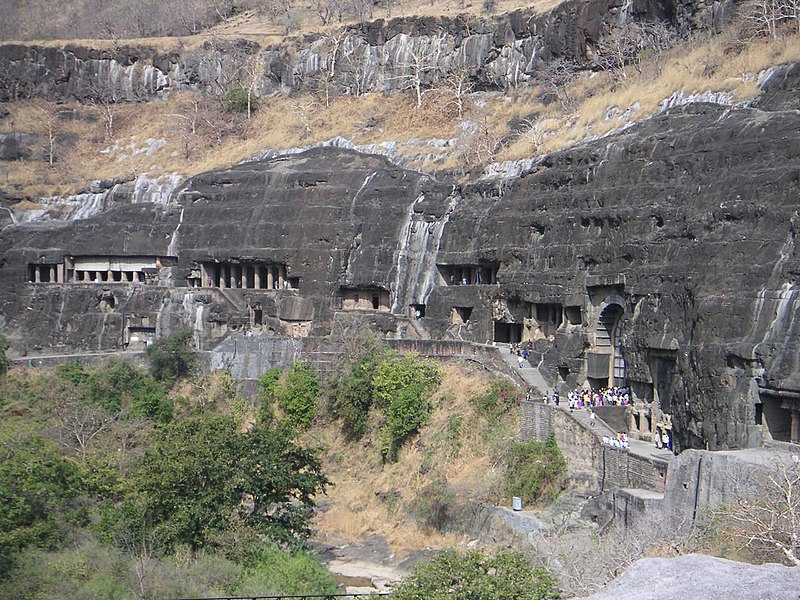
Whispers in Stone: Discovering the Majesty of the Ajanta Caves
To stand before the Ajanta Caves is not merely to view ancient rock-cut structures; it is to step through a veil of time and enter a vibrant dialogue with history itself. These magnificent caverns, nestled in the lush landscape of Maharashtra, are far more than mere tourist attractions. They are colossal, open-air manuscripts etched into the cliff face, preserving some of the most exquisite surviving examples of ancient Indian art. Universally regarded as masterpieces of Buddhist religious art, the Ajanta Caves whisper tales of enlightenment, devotion, and the profound human journey toward peace. The sheer scale, the surviving murals, and the intricate sculptures combine to create an experience that is breathtakingly spiritual and academically profound.
These 30 rock-cut Buddhist cave monuments, dating primarily from the 2nd century BCE through to the 5th century CE, offer a unparalleled glimpse into the life of Buddhism in its formative years. The Ajanta Caves stand as a testament to the dedication of the monks, patrons, and artisans who labored here, transforming raw rock into sacred sanctuaries. Prepare to wander through monastic quarters and colossal worship-halls, where every pigment and every chisel mark tells a story of spiritual quest.
A Deep Dive into the History and Genesis of the Ajanta Caves
The history of the Ajanta Caves is not a linear timeline, but rather a rich accretion of devotion spanning over a millennium. The caves were not built overnight; they evolved through distinct phases of patronage, artistic innovation, and spiritual necessity. Understanding these epochs is key to appreciating the depth of the site.
The Two Epochs of Creation
Scholarly consensus generally divides the construction into two major phases. The first phase, commencing around the 2nd century BCE and continuing into the 1st century CE, established the foundational structure of the monastic life here. These early caves were vital centers for early Buddhist communities.
The second, later phase saw continued embellishment and expansion, keeping pace with the evolving doctrines and artistic tastes of the time. While precise dating can be debated, the consistent evidence points to a sustained period of artistic patronage that kept this site vital for centuries. These layers of construction mean that when you explore, you are traversing multiple historical eras simultaneously.
Monastic Retreat and Pilgrim Sanctuary
Textual records paint a vivid picture of the caves’ original purpose. They served multiple roles: they functioned as essential monsoon retreats for wandering monks, provided necessary resting sites for traveling merchants, and offered spiritual solace to pilgrims from across ancient India. This multi-functional utility ensured the site’s continuous relevance and patronage across different eras.
Architecture: The Art of Carving Sacred Space
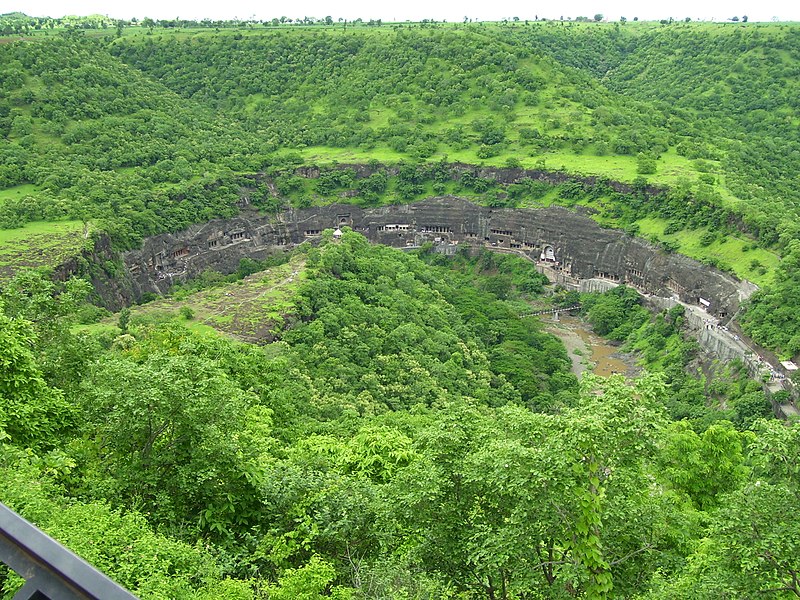
The architectural brilliance at Ajanta lies in its smooth integration with the natural rock face. The builders did not construct upon the rock; they carved out of it, making the very geology part of the sacred design. This fusion of art and environment is unparalleled.
Viharas and Chaityas: Two Forms of Devotion
The architecture is dominated by two primary forms: the Vihara and the Chaitya.
- Viharas (Monasteries): These were the residential quarters for the monks. Walking through a Vihara today, you can almost hear the chants and footsteps of centuries past. They feature cells, assembly halls, and communal areas, designed for sustained spiritual living.
- Chaityas (Prayer Halls): These were the communal worship centers. Characterized by their impressive apse (the semi-circular end), they housed large stupas and were designed to facilitate collective ritual and contemplation.
The Illusion of Ephemeral Artistry
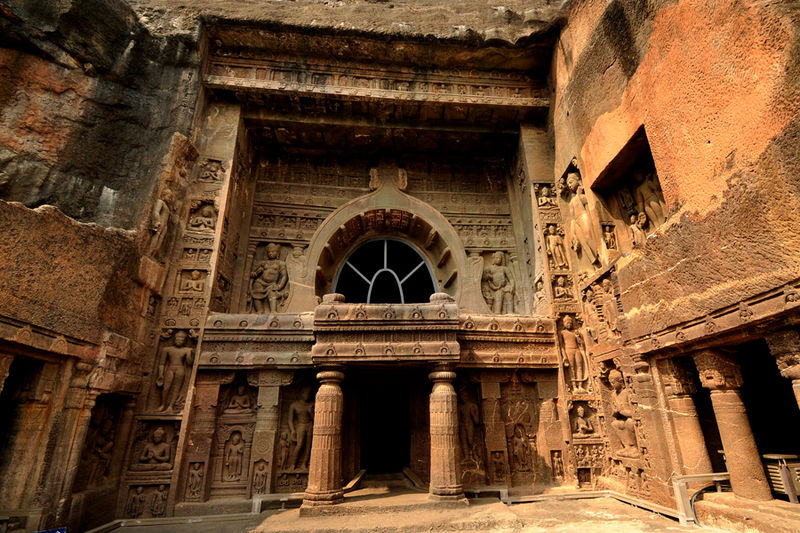
What truly captivates the visitor is the surviving artistry. While the murals are breathtaking, the structural elements—the pillars, the rock-cut railings, the meticulous carvings—speak to an advanced understanding of load-bearing structures and aesthetics. The artisans mastered the art of creating depth and rhythm within a confined, carved space. The sheer labor involved in carving these structures, while maintaining such spiritual integrity, is staggering.
Deity and Legend: Narratives of the Buddha’s Life
The art within the Ajanta Caves is fundamentally narrative. It is a visual encyclopedia of Buddhist cosmology and the life of Siddhartha Gautama, the Buddha. The murals are not random decorations; they are carefully curated pedagogical tools.
The Jataka Tales: Stories of Rebirth
A significant portion of the wall paintings depicts the Jataka tales. These are stories illustrating the Buddha’s previous lives, detailing his accumulation of virtues (paramitas) over countless rebirths. These narratives served to teach fundamental ethical and philosophical principles to the largely illiterate populace.
The depiction of the Buddha’s past lives allows the viewer to contemplate the universal themes of suffering, compassion, and eventual liberation—themes that resonate deeply even today.
Iconography of Enlightenment
The sculptures and paintings portray the Buddha in various iconic poses—from the meditative posture of deep contemplation to the gesture of teaching (Dharmachakra Mudra). The surviving depictions of Bodhisattvas and various deities are rich with symbolism, each gesture, or mudra, carrying specific meaning. The expressive quality of the figures, capturing emotion through gesture and pose, remains unmatched in early Indian art.
The Spiritual Rhythm: Festivals and Observances
While the caves are now preserved under UNESCO protection, their original life pulsed with the rhythm of religious observance. Although we do not witness the grand festivals of the past, one can sense the lingering echo of intense spiritual activity. Historically, the caves would have been centers for major Buddhist festivals, drawing massive crowds of devotees.
A Center of Pilgrimage
During peak festival times, the atmosphere would have been electric. The caves would have been alight with devotional chanting, the fragrance of incense, and the vibrant colors of offerings. The site’s role as a spiritual waypoint meant that its importance transcended local politics; it was a global pilgrimage destination.
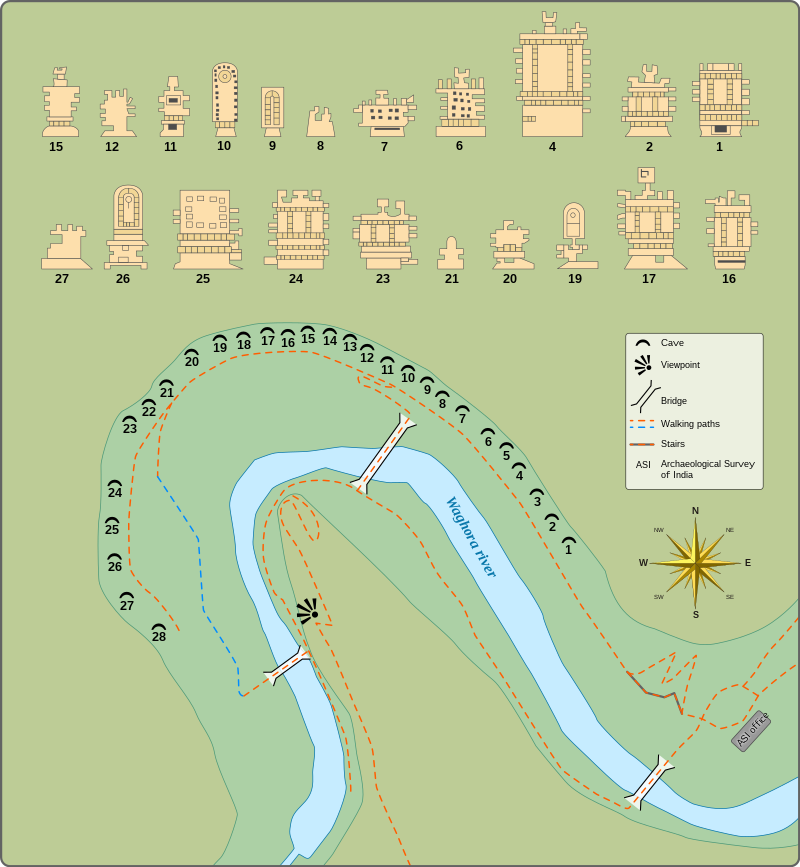
Planning Your Pilgrimage: Visiting the Ajanta Caves
Visiting the Ajanta Caves requires thoughtful planning, as the site is vast, sensitive, and geographically specific. It is a journey that demands both physical stamina and an open heart.
Getting There: Maharashtra’s Cultural Heart
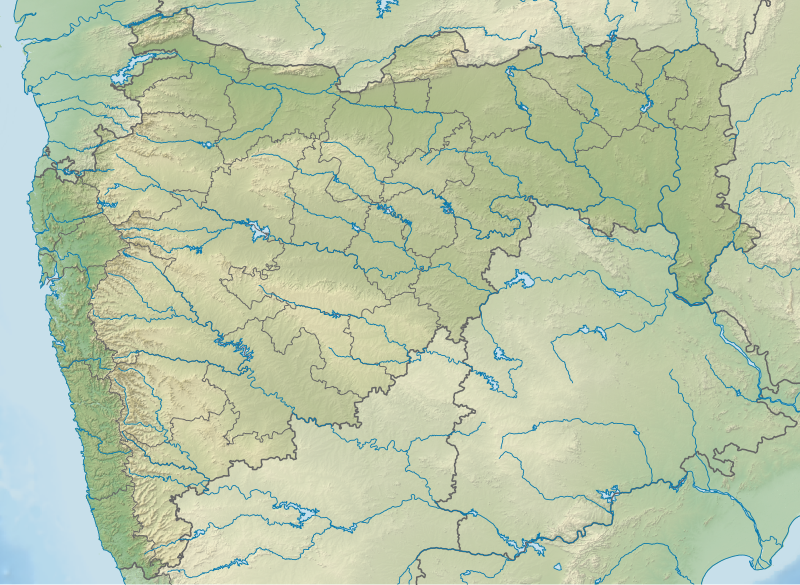
Ajanta is a major cultural draw in Maharashtra. While the nearest major railway stations are Jalgaon and Bhusawal, and the nearest airports include Jalgaon and Sambhaji Nagar, the journey itself is part of the pilgrimage experience. From the bustling metropolis of Mumbai, the journey takes several hours, emphasizing the relative isolation and sanctity of the location.
Navigating the Site
Be prepared for a day of deep exploration. The sheer number of caves, combined with the delicate nature of the murals, requires patience. Hiring a knowledgeable local guide is highly recommended; they breathe life into the architectural history and the narratives painted on the walls. Remember that the Ajanta Caves are a UNESCO World Heritage Site, meaning conservation is paramount. Please respect the rules regarding photography and physical contact with the ancient surfaces.
A Legacy Etched in Stone: Conclusion
The Ajanta Caves are more than just a collection of historical artifacts; they are a living repository of human devotion. They speak to a sophisticated culture that found its deepest expressions not in grand, imposing structures, but in the quiet, patient act of carving beauty from the raw earth. They remind us that art, at its highest level, is inseparable from philosophy.
As you leave the cool, shadowed embrace of the rock-cut halls, carrying the echoes of chanting and the vivid memory of forgotten pigments, you carry with you a profound connection to the ancient spirit of Maharashtra. It is a journey that nourishes the soul as much as it enriches the mind. We hope this exploration inspires you to witness this wonder for yourself, making the Ajanta Caves a sacred highlight of your travels across India.
For those fascinated by the architectural dialogue between Buddhism and Hinduism in the region, consider exploring the nearby Ellora Caves. If you are more interested in the daily life and devotional fervor of other Indian pilgrimage sites, check out our guide to Varanasi’s Sacred Ghats. For a different flavor of ancient Indian artistry, explore Khajuraho Temples.
 10000 Temples of India